
Wawa Charging a Premium for Gasoline
Wawa charges a gasoline premium in some markets, testing whether brand loyalty, convenience, and service justify higher prices.
- Operations Management by Cachon & Terwiesch
- Customer Service Management
- Intro to Managing Ops
- Intro to OM
- Introduction
- Operations and Supply Chain Management by Jacobs & Chase
- Operations and Supply Chain Management The Core by Jacobs & Chase
- Management of Quality
- MRP
- OPS and Supply Chain Management
- Quality and SPC
- Quality Control and Improvement
- Operations Management in the Supply Chain by Schroeder & Goldstein
- Service Processes
- Operations Management by Stevenson
- Managing Operations Across the Supply Chain by Swink, Melnyk, Hartley & Cooper
- The Operations Function
- Blog
- Article
- OM in the News
- Higher Education
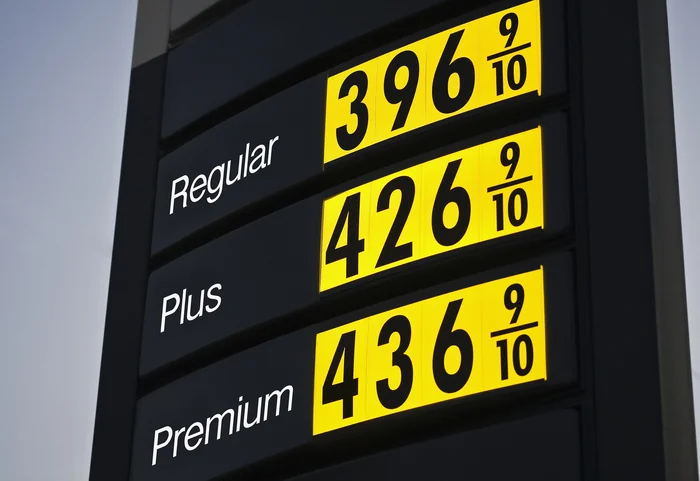
In some locations, Wawa gas is priced about 25 cents per gallon higher than its competitors, including South Jersey.
Such a price difference can add up quickly.
Video Spotlight:
- Wawa: Food, Fuel and So Much More (Jun 25, 2026, WKRN News 2)
This post is based on the SNJ Today article, The Wawa Gas Premium: What South Jersey Drivers Are Really Paying For, by Victoria Sharp, July 22, 2026, and the YouTube video in the Spotlight. Image source: Roberto Westbrook/Spaces Images/Blend Images LLC
Discussion Questions:
1. Group AI Discussion Question: Ask a generative AI program if Wawa charges a higher price for gasoline. Summarize your findings.
Guidance: Interestingly, my trial of a handful of AI programs generated different results.
Google AI search indicated that yes, they did, but it could vary by location.
ChatGPT stated that Wawa didn’t have a company-wide policy on charging a premium. In some markets, they are the lowest priced, but in others, they charge a 5-25 cent premium.
Claude stated that Wawa’s business model was to use inexpensive gas as a customer draw.
2. Should Wawa charge a premium for its gasoline?
Guidance: Obviously, 25 cents per gallon is going on Wawa’s bottom line. This can result in a substantial increase in profitability.
However, most gas stations make their money on higher-margin items that are sold inside, such as food, fountain drinks, coffee, snacks, candy, and bagged ice. Wawa doesn’t want to lose too many customers because of its gas price, as it would also lose profit from its higher-margin items.
One intervening factor is that Wawa has created an experience for customers. Many customers are extremely loyal to the brand with a strong social media following. They are known for their made-to-order food, specialty coffees, clean bathrooms, surcharge-free ATMS, twenty-four-seven operation, and the same price for credit or cash on gas. Additionally, their rewards program offers discounts and points that can be used for free items or cents off per gallon of gas.
In other words, people go to Wawa not just for the gas, but for the total experience.
3. How does charging a premium price impact operations?
Guidance: With a premium price, the customer selected Wawa for the total experience. It was not strictly based on the lowest-priced gasoline. Now, they must deliver on every aspect of what the customer was expecting. This includes the quality of the food and coffee, the cleanliness of the restrooms, and the quality of the service. Operations need to be excellent to meet customers’ expectations.

