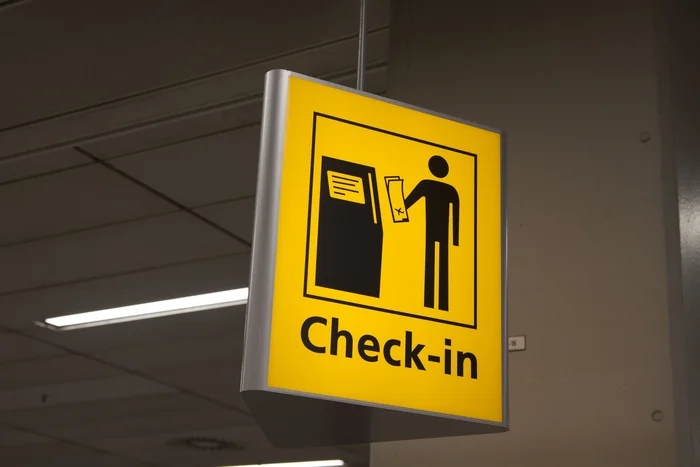
Boston Logan's remote terminal lets passengers check bags and clear security 25 miles from the airport before taking a secure bus to the gates.
Tags
Operations Management by Cachon & Terwiesch
Customer Service Management
Facility Layout
Operations and Supply Chain Management by Jacobs & Chase
Operations and Supply Chain Management The Core by Jacobs & Chase
Location Planning and Analysis
Manufacturing and Svc Process Structures
OPS and Supply Chain Management
Process Improvement
Process Selection and Facility Layout
Operations Management in the Supply Chain by Schroeder & Goldstein
Service Process Design
Service Processes
Operations Management by Stevenson
Svc Systems with Impatient Customers
Managing Operations Across the Supply Chain by Swink, Melnyk, Hartley & Cooper
The Operations Function
Blog
Article
OM in the News
Higher Education
Boston’s Logan Airport has added the nation's first remote terminal.
Passengers arrive at a terminal located approximately 25 miles from the airport. They then check their bags and proceed through TSA security. After clearing security, they wait for the bus in a secure room. The bus then drops them off at the airport gate area.
Passengers do not need to go through security again.
1. What advantages does the remote terminal offer passengers?
Guidance: The biggest advantage is that passengers avoid airport congestion. They do not need to drive to the airport and can avoid the lines associated with dropping off luggage and passing through TSA security checkpoints.
Passengers from the MetroWest area (a group of cities and towns west of Boston with a combined population over 600,000) benefit most from the remote terminal, as it is on the way to the airport. They are not traveling an extra distance to reach the remote terminal.
Another advantage is that passengers can park for less at the remote location than at the airport.
The bottom line is that the remote terminal should allow customers an easier entry point. They will experience less congestion and will walk shorter distances.
2. What advantages do remote terminals offer airports?
Guidance: For airports like Boston’s Logan Airport, a remote terminal provides a means to expand without requiring additional land. Logan Airport would have difficulty acquiring land because it is situated on a peninsula, surrounded by water on three sides. Many airports find expansion difficult as they are surrounded by homes and businesses.
The remote terminal also reduces foot traffic through a larger airport.
3. Are there any additional security concerns for remote terminals?
Guidance: It potentially adds security risks. Airports restrict access to areas where passengers have passed through security. They refer to this area as airside. The use of remote terminals, such as the one at Logan Airport, extends this area.
As a result, policies and procedures must be in place to restrict access. For example, if the shuttle bus is involved in an accident and passengers leave the bus, they would need to be rescreened by TSA because the security area has been violated.
Author: Ross L. Fink, Ph.D.
Bradley University
Dept. Chair, Management and Leadership
Professor of Operations
Share:
Regional Page Available
It looks like you're outside the United States. Do you want to see your regional version of this page?
Education Topics
Education Topics/Courses
Education Topics/Courses/OM in the News
Education Topics/Courses/OM in the News/Topic
Education Topics/Courses/OM in the News/Topic/Service Processes
Education Topics/Courses/OM in the News/Topic/ Svc Systems with Impatient Customers
Education Topics/Courses/OM in the News/Title
Education Topics/Courses/OM in the News/Title/Operations and Supply Chain Management by Jacobs & Chase
Education Topics/Courses/OM in the News/Title/Operations and Supply Chain Management The Core by Jacobs & Chase
Education Topics/Courses/OM in the News/Title/Operations Management by Stevenson
Education Topics/Courses/OM in the News/Topic/Process Improvement
Business Unit
Business Unit/Higher Education
Asset Format Type
Asset Format Type/Blog
Education Topics/Courses/OM in the News/Topic/The Operations Function
Education Topics/Courses/OM in the News/Topic/OPS and Supply Chain Management
Education Topics/Courses/OM in the News/Topic/Process Selection and Facility Layout
Education Topics/Courses/OM in the News/Topic/Manufacturing and Svc Process Structures
Education Topics/Courses/OM in the News/Topic/Service Process Design
Education Topics/Courses/OM in the News/Topic/Customer Service Management
Education Topics/Courses/OM in the News/Topic/Facility Layout
Education Topics/Courses/OM in the News/Title/Operations Management by Cachon & Terwiesch
Education Topics/Courses/OM in the News/Topic/Location Planning and Analysis
Asset Format Type/Blog/Article
Education Topics/Courses/OM in the News/Title/Managing Operations Across the Supply Chain by Swink, Melnyk, Hartley & Cooper
Education Topics/Courses/OM in the News/Title/Operations Management in the Supply Chain by Schroeder & Goldstein
highered
2026-11-17T16:27:52.979Z
highered Remote Check-In for Boston Airport Boston Logan's remote terminal lets passengers check bags and clear security 25 miles from the airport before taking a secure bus to the gates. Remote Check-In for Boston Airport Boston Logan's remote terminal lets passengers check bags and clear security 25 miles from the airport before taking a secure bus to the gates. Tags Operations Management by Cachon & Terwiesch Customer Service Management Facility Layout Operations and Supply Chain Management by Jacobs & Chase Operations and Supply Chain Management The Core by Jacobs & Chase Location Planning and Analysis Manufacturing and Svc Process Structures OPS and Supply Chain Management Process Improvement Process Selection and Facility Layout Operations Management in the Supply Chain by Schroeder & Goldstein Service Process Design Service Processes Operations Management by Stevenson Svc Systems with Impatient Customers Managing Operations Across the Supply Chain by Swink, Melnyk, Hartley & Cooper The Operations Function Blog Article OM in the News Higher Education More Article Type: Blog July 26, 2026 Share: Boston’s Logan Airport has added the nation's first remote terminal. Passengers arrive at a terminal located approximately 25 miles from the airport. They then check their bags and proceed through TSA security. After clearing security, they wait for the bus in a secure room. The bus then drops them off at the airport gate area. Passengers do not need to go through security again. Video Spotlight: First-in-the-nation remote terminal for Logan Airport opens in Massachusetts (June 1, 2026, CBS Boston) This post is based on the MSN article, New Remote Terminal for Logan Airport Now Open in Massachusetts. Here's How It Works and Who Can Use It., by Neal Riley, June 1, 2026; the NY Post article, Big-City Airport Opening First-Ever ‘Remote’ Terminal for TSA Screening — 25 Miles Away from Gates, by Ben Cost, May 20, 2026; and the YouTube video in the Spotlight. Image source: Mauvries/Shutterstock Discussion Questions: 1. What advantages does the remote terminal offer passengers? Guidance: The biggest advantage is that passengers avoid airport congestion. They do not need to drive to the airport and can avoid the lines associated with dropping off luggage and passing through TSA security checkpoints. Passengers from the MetroWest area (a group of cities and towns west of Boston with a combined population over 600,000) benefit most from the remote terminal, as it is on the way to the airport. They are not traveling an extra distance to reach the remote terminal. Another advantage is that passengers can park for less at the remote location than at the airport. The bottom line is that the remote terminal should allow customers an easier entry point. They will experience less congestion and will walk shorter distances. 2. What advantages do remote terminals offer airports? Guidance: For airports like Boston’s Logan Airport, a remote terminal provides a means to expand without requiring additional land. Logan Airport would have difficulty acquiring land because it is situated on a peninsula, surrounded by water on three sides. Many airports find expansion difficult as they are surrounded by homes and businesses. The remote terminal also reduces foot traffic through a larger airport. 3. Are there any additional security concerns for remote terminals? Guidance: It potentially adds security risks. Airports restrict access to areas where passengers have passed through security. They refer to this area as airside. The use of remote terminals, such as the one at Logan Airport, extends this area. As a result, policies and procedures must be in place to restrict access. For example, if the shuttle bus is involved in an accident and passengers leave the bus, they would need to be rescreened by TSA because the security area has been violated. About the Author Ross L. Fink, Ph.D. Bradley University Dept. Chair, Management and Leadership Professor of Operations Ross L. Fink, Ph.D. Bradley University Dept. Chair, Management and Leadership Professor of Operations
Boston Logan's remote terminal lets passengers check bags and clear security 25 miles from the airport before taking a secure bus to the gates.
Service Processes, Svc Systems with Impatient Customers, Operations and Supply Chain Management by Jacobs & Chase, Operations and Supply Chain Management The Core by Jacobs & Chase, Operations Management by Stevenson, Process Improvement, Higher Education, Blog, The Operations Function, OPS and Supply Chain Management, OM in the News, Process Selection and Facility Layout, Manufacturing and Svc Process Structures, Service Process Design, Customer Service Management, Facility Layout, Operations Management by Cachon & Terwiesch, Location Planning and Analysis, Article, Managing Operations Across the Supply Chain by Swink, Melnyk, Hartley & Cooper, Operations Management in the Supply Chain by Schroeder & Goldstein