
Mondelēz International Focuses on AI to Optimize US Operations
Mondelēz is using AI, automation, and insourcing to improve US manufacturing and distribution speed while reducing operating costs.
- Operations Management by Cachon & Terwiesch
- Competitiveness Strategy Productivity
- Global Logistics
- Operations and Supply Chain Management by Jacobs & Chase
- Operations and Supply Chain Management The Core by Jacobs & Chase
- Location Logistics and Distribution
- Logistics Distribution Transportation
- OPS and Supply Chain Strategy
- Process Analysis
- Operations Management in the Supply Chain by Schroeder & Goldstein
- Sourcing and Supply Management
- Operations Management by Stevenson
- Strategy
- Strategy and Sustainability
- Supply Chain Management
- Managing Operations Across the Supply Chain by Swink, Melnyk, Hartley & Cooper
- Blog
- Article
- OM in the News
- Higher Education
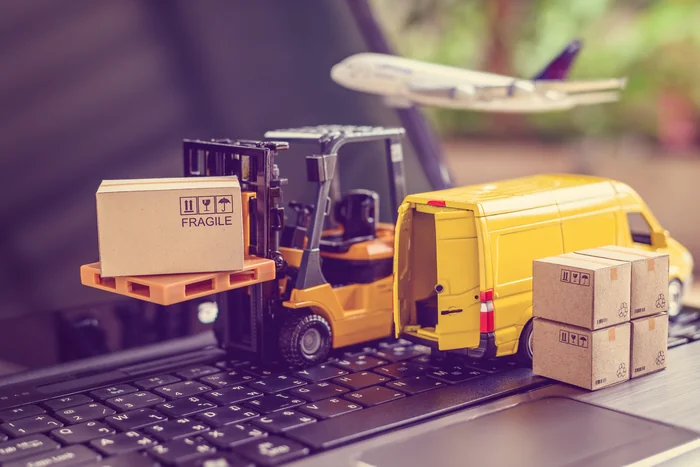
American multinational confectionery and food giant Mondelēz International is using AI tools as part of an insourcing initiative to boost its overall financial performance.
Based in Chicago, with annual revenues exceeding $38 billion, the company owns global brands including Oreo, Cadbury, Chips Ahoy, Wheat Thins, and Sour Patch Kids.
Mondelēz plans to deploy automation and AI tools and techniques at a host of distribution centers serving its direct-store-delivery network while revamping a portion of its U.S. manufacturing operations, enabling the company to service points of sale faster, reduce stock, and cut costs across the branches the centers serve. Mondelēz is also focused on bolstering its manufacturing. Roughly forty percent of its production runs at a level of productivity the company deems “below expectations.”
The company also wants to optimize packaging for mixed packs of cookies and crackers in-house, which will remove the rigidity and inefficiency of the current system, while also reducing dependency on co-manufacturers.
All of these efforts are part of the company’s multiyear supply chain improvement initiative designed to upgrade U.S. operations, with a focus on increasing capacity production, modernizing packaging capabilities and increasing network flexibility.
Video Spotlight:
- An Honest Look at 7 AI Solutions for Food Distribution Centers (Nov 6, 2025, Mountain Leverage)
This post is based on the Supply Chain Dive article, Mondelēz taps AI for distribution centers to cut costs, by Antone Gonsalves, May 19, 2026; corporate information from the Mondelez International website; the World Economic Forum article, 6 ways to unleash the power of AI in manufacturing, by Jasmeet Singh, January 4, 2024; the Gigaspaces article, The Top 7 AI Tools Transforming Supply Chain Operations, by Gigaspaces, August 28, 2025; and the YouTube video in the Spotlight. Image source: William Potter/Shutterstock
Discussion Questions:
1. Below are six specific AI-oriented ideas that can lead to an improvement in manufacturing output. Pick two to three and conduct basic research to expand your knowledge.
Guidance: Here are a list of six areas where AI could be implemented to improve manufacturing output:
1. Safe, productive and efficient operations
2. Intelligent, autonomous supply chains
3. Proactive, predictive maintenance
4. Automate quality checks
5. Design, develop, customize and innovate products
6. Empowering employees
2. How is AI shifting supply chain professionals towards a more strategic focus?
Guidance: Predictive analytics with the use of AI can improve demand forecasting, while intelligent automation streamlines logistics and reduces manual errors.
AI enables resilience by anticipating disruptions and adjusting operations in real time.
AI can simulate disruptions, optimize inventory, and reroute logistics at machine speed.
Supply chain AI tools vary in strengths—some focus on sustainability, others on predictive maintenance or conversational intelligence.

