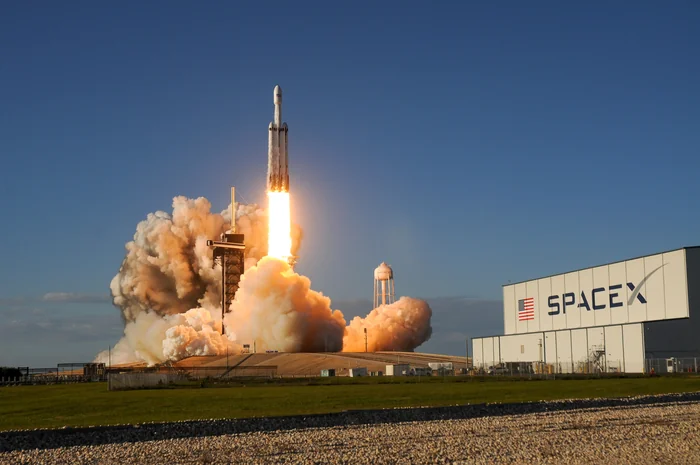
Tesla and Intel plan two advanced chip factories in Austin to supply AI systems for vehicles, robots, satellites, and data centers.
Tags
Operations Management by Cachon & Terwiesch
Capacity Planning
Demand Planning
Forecasting
Operations and Supply Chain Management by Jacobs & Chase
Operations and Supply Chain Management The Core by Jacobs & Chase
Managing Processes and Capacity
Operations Management in the Supply Chain by Schroeder & Goldstein
Operations Management by Stevenson
Strategic Capacity Management
Strategic Capacity Planning
Supply Chain Management
Managing Operations Across the Supply Chain by Swink, Melnyk, Hartley & Cooper
Blog
Article
OM in the News
Higher Education
Two advanced chip factories called Terafab will be built by Tesla and Intel in Austin, Texas.
The factories will make AI chips to power cars, Optimus humanoid robots, AI satellites in space, and artificial intelligence data centers for Tesla and SpaceX.
1. What is capacity planning? What are three types of capacity planning strategies?
Guidance: Capacity planning is about determining, measuring and adjusting an organization’s resources to meet changing product/service demand. There are three types of capacity planning strategies:
Leading: building capacity in anticipation of future demand increases.
Following: building capacity when demand exceeds current capacity.
Tracking: adding capacity in small increments to keep pace with increasing demand.
2. What type of capacity planning strategy is Tesla using with Terafab?
Guidance: Terafab is being used for a leading capacity strategy. The current global chip output meets only 3% of Tesla's future needs. Two new chip factories will provide the capacity required to meet the remaining 97% of the company’s future chip demand.
3. Illustrate the key inputs to capacity planning in the Terafab case.
Guidance: Demand forecasts are key inputs to capacity planning. Because demand for AI chips is expected to exceed chip supply, Tesla plans to build two chip factories in Austin, Texas, to enable enough supply for cars, robots, and data centers for Tesla and SpaceX.
HP is securing supply, adjusting products and demand, reducing costs, and changing prices to manage an ongoing memory chip shortage.
Regional Page Available
It looks like you're outside the United States. Do you want to see your regional version of this page?
Education Topics
Education Topics/Courses
Education Topics/Courses/OM in the News
Education Topics/Courses/OM in the News/Title
Education Topics/Courses/OM in the News/Title/Operations and Supply Chain Management by Jacobs & Chase
Education Topics/Courses/OM in the News/Title/Operations and Supply Chain Management The Core by Jacobs & Chase
Education Topics/Courses/OM in the News/Title/Operations Management by Stevenson
Business Unit
Business Unit/Higher Education
Education Topics/Courses/OM in the News/Topic
Education Topics/Courses/OM in the News/Topic/Capacity Planning
Education Topics/Courses/OM in the News/Topic/Strategic Capacity Management
Asset Format Type
Asset Format Type/Blog
Education Topics/Courses/OM in the News/Topic/Strategic Capacity Planning
Education Topics/Courses/OM in the News/Topic/Demand Planning
Education Topics/Courses/OM in the News/Title/Operations Management by Cachon & Terwiesch
Education Topics/Courses/OM in the News/Topic/Forecasting
Asset Format Type/Blog/Article
Education Topics/Courses/OM in the News/Title/Managing Operations Across the Supply Chain by Swink, Melnyk, Hartley & Cooper
Education Topics/Courses/OM in the News/Title/Operations Management in the Supply Chain by Schroeder & Goldstein
Education Topics/Courses/OM in the News/Topic/Managing Processes and Capacity
Education Topics/Courses/OM in the News/Topic/Supply Chain Management
highered
2026-11-17T19:38:04.207Z
highered Long-Term Capacity Planning: Terafab Tesla and Intel plan two advanced chip factories in Austin to supply AI systems for vehicles, robots, satellites, and data centers. Long-Term Capacity Planning: Terafab Tesla and Intel plan two advanced chip factories in Austin to supply AI systems for vehicles, robots, satellites, and data centers. Tags Operations Management by Cachon & Terwiesch Capacity Planning Demand Planning Forecasting Operations and Supply Chain Management by Jacobs & Chase Operations and Supply Chain Management The Core by Jacobs & Chase Managing Processes and Capacity Operations Management in the Supply Chain by Schroeder & Goldstein Operations Management by Stevenson Strategic Capacity Management Strategic Capacity Planning Supply Chain Management Managing Operations Across the Supply Chain by Swink, Melnyk, Hartley & Cooper Blog Article OM in the News Higher Education More Article Type: Blog May 04, 2026 Share: Two advanced chip factories called Terafab will be built by Tesla and Intel in Austin, Texas. The factories will make AI chips to power cars, Optimus humanoid robots, AI satellites in space, and artificial intelligence data centers for Tesla and SpaceX. Video Spotlight: Musk says SpaceX, Tesla to build advanced chip factories in Texas (Mar 22, 2026, Reuters) This post is based on the Reuters article, Musk says SpaceX and Tesla to build advanced chip factories in Austin, by Joe Brock, March 22, 2026 (requires a subscription); the 24/7WallSt post, Elon’s Terafab Is Moving at “Light Speed” — and That Could Mean Big Things for Tesla, by Joey Frenette, May 3, 2026; and the YouTube video in the Spotlight. Image source: Joseph Marino / Alamy Stock Photo Discussion Questions: 1. What is capacity planning? What are three types of capacity planning strategies? Guidance: Capacity planning is about determining, measuring and adjusting an organization’s resources to meet changing product/service demand. There are three types of capacity planning strategies: Leading: building capacity in anticipation of future demand increases. Following: building capacity when demand exceeds current capacity. Tracking: adding capacity in small increments to keep pace with increasing demand. 2. What type of capacity planning strategy is Tesla using with Terafab? Guidance: Terafab is being used for a leading capacity strategy. The current global chip output meets only 3% of Tesla's future needs. Two new chip factories will provide the capacity required to meet the remaining 97% of the company’s future chip demand. 3. Illustrate the key inputs to capacity planning in the Terafab case. Guidance: Demand forecasts are key inputs to capacity planning. Because demand for AI chips is expected to exceed chip supply, Tesla plans to build two chip factories in Austin, Texas, to enable enough supply for cars, robots, and data centers for Tesla and SpaceX. About the Author Anita Lee-Post, Ph.D. Gatton College of Business and Economics University of Kentucky Associate Professor Anita Lee-Post, Ph.D. Gatton College of Business and Economics University of Kentucky Associate Professor
Tesla and Intel plan two advanced chip factories in Austin to supply AI systems for vehicles, robots, satellites, and data centers.
Operations and Supply Chain Management by Jacobs & Chase, Operations and Supply Chain Management The Core by Jacobs & Chase, Operations Management by Stevenson, Higher Education, Capacity Planning, Strategic Capacity Management, Blog, OM in the News, Strategic Capacity Planning, Demand Planning, Operations Management by Cachon & Terwiesch, Forecasting, Article, Managing Operations Across the Supply Chain by Swink, Melnyk, Hartley & Cooper, Operations Management in the Supply Chain by Schroeder & Goldstein, Managing Processes and Capacity, Supply Chain Management