
Decreased Demand for Carbs Correlated to GLP-1 Medications
GLP-1 medications are shifting demand from carbohydrates toward protein, changing what farms grow and what restaurants and grocers offer.
- Operations Management by Cachon & Terwiesch
- Demand Planning
- Design of Products and Services
- Forecasting
- Operations and Supply Chain Management by Jacobs & Chase
- Operations and Supply Chain Management The Core by Jacobs & Chase
- New Product Development
- OPS and Supply Chain Management
- Product and Svc Design
- Product Design
- Product Process Innovation
- Operations Management in the Supply Chain by Schroeder & Goldstein
- Operations Management by Stevenson
- Managing Operations Across the Supply Chain by Swink, Melnyk, Hartley & Cooper
- Blog
- Article
- OM in the News
- Higher Education
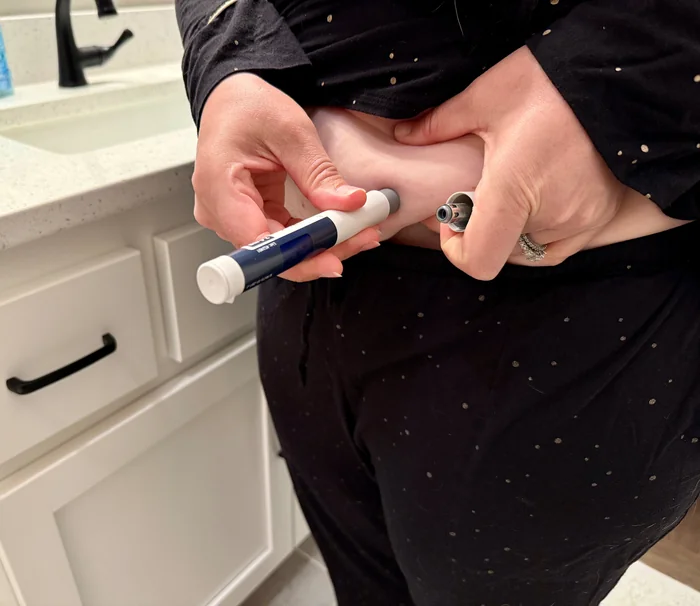
The increasing popularity of GLP-1 weight loss medications like Ozempic are changing eating habits across the globe.
These medications suppress appetite, so people who use them eat less and often choose protein over carbs to avoid losing muscle mass. These outcomes are changing operations in many food-related industries, reshaping what farmers plan to grow, what restaurants are putting on their menus, and what grocers are stocking on their shelves.
Video Spotlight:
- Farmers left with 'potato mountains' as fat jabs hit demand (Mar 22, 2026, SWNS)
- Weight-loss drugs are changing the food industry, research shows (Aug 27, 2025, CBS Boston)
This post is based on the FOX News article, Weight-loss drugs crush food demand as farmers face dumping mountains of potatoes, by Kelly McGreal, April 1, 2026; the Food&Wine article, The Ozempic Effect: How Weight-Loss Drugs Are Rewriting the Rules of Dining Out, by Liz Provencher, October 19, 2025; the Cornell Chronicle article, Ozempic is changing the foods Americans buy, by Laura Reiley, Cornell Chronicle, December 19, 2025; and the YouTube videos in the Spotlight. Image source: Matt Fowler KC/Shutterstock
Discussion Questions:
1. How is the increased use of GLP-1 medications affecting farming operations?
Guidance: As one example, potato farmers in the United Kingdom have been hit hard, as overproduction collides with decreased demand. In the U.K., businesses are placing fewer orders for potatoes and sometimes not picking up ones they placed. One farmer mentions having 1.3 million pounds of surplus potatoes, worth about $158,000, that he may either have to give to charity or sell as animal feed in the near term. He believes this depressed demand is potentially a result of several GLP-1 related factors, such as a preference for lentil-based foods over French fries and potato chips, a desire for smaller portions and food sharing by restaurant-goers, and healthier eating habits in general.
2. How is the use of GLP-1 medication affecting restaurants and grocery store sales?
Guidance: Restaurants are responding to the needs of the estimated six percent of Americans who are currently taking GLP-1 medications in several ways. Some are offering smaller versions of popular menu items to reduce food waste and to encourage customers to still come in. Another trend is adding protein and reducing the carb content of menu items.
Other issues, perhaps more difficult to mitigate, involve customers ordering less in general, including fewer appetizers, side dishes, or alcoholic drinks, which are often an important contributor to restaurant profit margins. Some restaurants are trying to focus more on service and ambience to encourage customers to still come in for the experience, even if they do not plan to eat as much food as in the past.
Grocers, similarly, are finding room on the shelves for new products that are designed specifically to meet the needs of people who take GLP-1 medications. Some manufacturers are taking existing products that fit the GLP-1 diet profile and labelling them “GLP-friendly.”

