
Drones Enhance Kroger's Cold Chain Inventory Management System
Kroger uses autonomous drones in freezer zones to improve cold-chain inventory accuracy, shrink control, FIFO compliance, and worker safety.
- Operations Management by Cachon & Terwiesch
- Global Logistics
- Operations and Supply Chain Management by Jacobs & Chase
- Operations and Supply Chain Management The Core by Jacobs & Chase
- Location Logistics and Distribution
- Logistics Mgmt
- Logistics Distribution Transportation
- Management of Quality
- Managing Quality
- Process Improvement
- Quality and SPC
- Quality Mgmt and 6S
- Operations Management in the Supply Chain by Schroeder & Goldstein
- Six Sigma Quality
- Operations Management by Stevenson
- Supply Chain Management
- Managing Operations Across the Supply Chain by Swink, Melnyk, Hartley & Cooper
- Blog
- Article
- OM in the News
- Higher Education
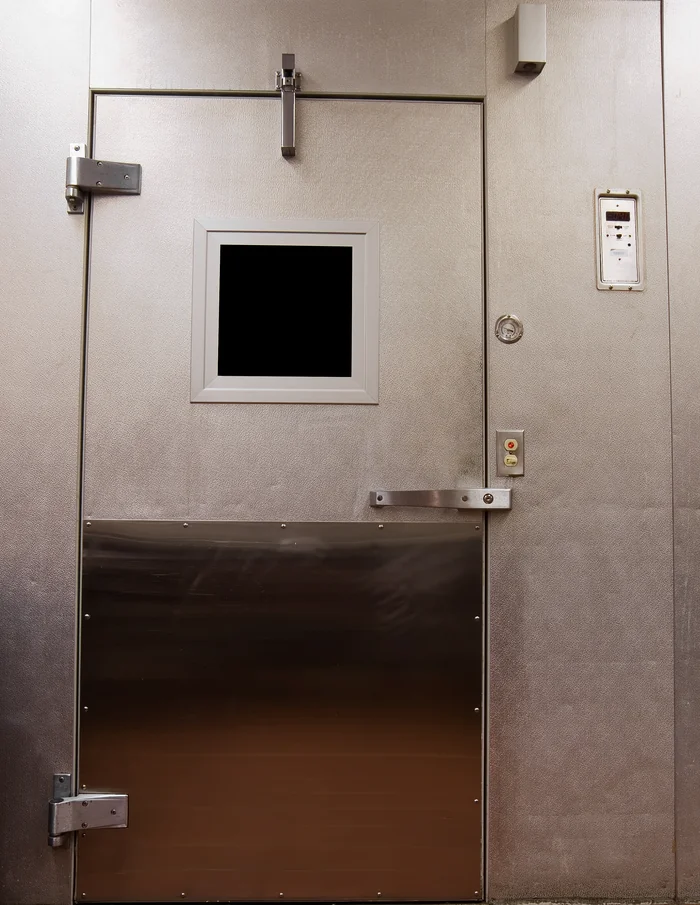
Ohio-based food giant, Kroger, is now using drones for enhanced cold chain inventory management across various distribution centers.
The drones are supplied by Corvus Robotics. They scan locations across freezer zones, enabling enhanced inventory visibility across the facility instead of relying on traditional physical counts by individuals, enabling better inventory management.
For cold chain operations in particular, the use of drones reduces the need for associates to perform manual counts in sub-freezing environments. Drone usage also improves shrink control, FIFO compliance, and data reliability for short shelf-life goods, all of which lower the cost of overall operations.
Corvus drones do not require infrastructure modifications and can tap directly into existing warehouse management systems (WMS). They can handle freezer environments down to minus-20 degrees Fahrenheit, can also operate without WiFi, localization markers, lighting modifications, special barcodes, or a human operator. Corvus drones train on an AI model of a customer’s facility. They do not require additional investments in facility-wide reflectors or beacons.
Actual use of a drone can occur within one to three weeks. They're ten times faster than manual cycle counts, with a typical 6-month return on investment (ROI).
Corvus manufactures a wide range of drones, including those for non-cold chain inventory applications. It supports companies across a wide range of industries. Other clients include ArmorAll, GNC, and Asics.
Video Spotlight:
- Drones Move Into the Freezer, and Out of Human Jobs (Feb 10, 2026, DeFinance Media TV)
This post is based on the Supply Chain Dive article, Kroger taps inventory drones for cold chain distribution operations, by Kelly Stroh, March 3, 2026; the Corvus Robotics page for Corvus One; and the YouTube video in the Spotlight. Image source: Brent Hathaway/Getty Images
Discussion Questions:
1. What are some possible advantages of using drones in cold chain applications in the grocery industry?
Guidance: Drones can tie product SKUs to inventory locations (slots) in 3D space, syncing automatically with a company’s warehouse management system (WMS). They can enable higher inventory accuracy and real-time decision making, for example on products approaching “best before/freshness" dates.
Use of drones can remove or reduce the need for manual cycle counts (or physical audits), saving time, money, and resources.
Drones enable less exposure by laborers to harsh cold chain environments, which also means fewer accidents and an enhanced work environment.
Reports are generated of every discrepancy found by inventory drones, sorted by location or SKU.
Drones enable access to a record of historical data, including photos and video of each slot for auditing purposes.
2. Drones can help ensure higher inventory accuracy. What other areas could supply chain professionals focus upon to drive additional benefits?
Guidance: AI could help supply chain professionals work more closely with upstream suppliers to negotiate better prices on products and/or services. It could also free up time for focusing on research and development (R&D) initiatives.
Another focus area is to work more closely with downstream customers to better align capabilities and capacities. It can enable sourcing of new manufacturing equipment with adaptive capabilities (flexibility is essential for resilient supply chains), and an enhanced focus on logistical components (packaging, transportation, inventory management).

