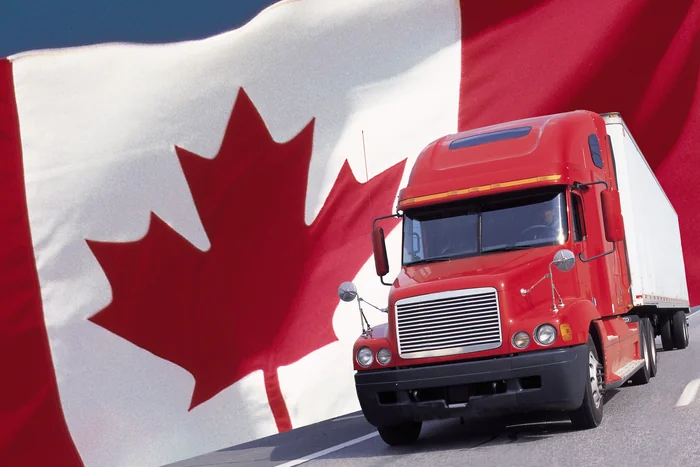
Volvo Optimizes Customer Fulfillment for Truck Markets
Volvo's new Washington distribution center will reduce parts lead times and improve dealer coverage in the northwestern US and Western Canada.
Tags
Operations Management by Cachon & Terwiesch
Competitiveness Strategy Productivity
Operations and Supply Chain Management by Jacobs & Chase
Operations and Supply Chain Management The Core by Jacobs & Chase
Manufacturing and Svc Process Structures
Manufacturing Processes
OPS and Supply Chain Strategy
Process Analysis
Operations Management in the Supply Chain by Schroeder & Goldstein
Operations Management by Stevenson
Strategy
Strategy and Sustainability
Supply Chain Management
Managing Operations Across the Supply Chain by Swink, Melnyk, Hartley & Cooper
Blog
Article
OM in the News
Higher Education
The Volvo Group is investing in a new regional distribution center (RDC) in Washington state to optimize parts delivery and expand coverage in the northwestern US and Western Canada.
The $37.7 million facility will support dealers of Volvo Trucks, Mack Trucks, Volvo Penta, and Volvo Construction Equipment.
According to Peter Andell, VP of Service Market Logistics for Volvo Group North America, “This facility represents a significant expansion to the Volvo Group’s parts distribution capabilities, allowing us to reduce transportation lead times and improve reliability, especially for dealers in the more remote areas of Western Canada.”
The new RDC is expected to open in the first quarter of 2027. It will be the primary distribution center for about 240 dealers, with a goal of reducing delivery times on stock orders by an average of one to two days while fulfilling more than 500,000 order lines annually.
Volvo is facing challenges in one of its largest markets as it navigates a 25% tariff on imports of heavy-duty and medium-duty trucks and their associated parts/components.
1. Describe some of the objectives or deliverables enabled by the new facility in Washington state.
Guidance: One objective is quicker turnaround between receiving incoming orders and shipping outgoing product. This location enables faster order fulfillment for products arriving via ocean shipping that go out to customers in the northwestern US and Canada. For Volvo Group, this will result in faster cash flow and cash conversion cycle (CCC).
Another objective is higher customer loyalty due to improved fulfillment time/rate.
A third is lower shipping costs for serving customers in the northwestern US and Western Canada compared to Volvo Group’s existing RDC in Reno, Nevada.
2. What are 2-3 possible ideas the Volvo Group could pursue to lessen its overall cost structure due to the 25% tariff for imported goods?
Guidance: The company could consider transitioning some or all of its current production from Asia to the US. Products imported from Asia face some of the highest tariffs.
Volvo Group could work aggressively with Asian suppliers to implement cost reduction programs which would potentially increase the profit margin on products sold in the US (even with the existing tariffs).
Another idea is to examine the elasticity of demand to see how responsive customers are to price increases to partially offset higher tariff costs.
Author: James Kirby Easterling, DBA
Eastern Kentucky University
Program Director, Global Supply Chain Management
Associate Professor and Executive-in-Residence
Share:
Regional Page Available
It looks like you're outside the United States. Do you want to see your regional version of this page?
Education Topics
Education Topics/Courses
Education Topics/Courses/OM in the News
Education Topics/Courses/OM in the News/Title
Education Topics/Courses/OM in the News/Title/Operations and Supply Chain Management by Jacobs & Chase
Education Topics/Courses/OM in the News/Title/Operations and Supply Chain Management The Core by Jacobs & Chase
Education Topics/Courses/OM in the News/Title/Operations Management by Stevenson
Business Unit
Business Unit/Higher Education
Education Topics/Courses/OM in the News/Topic
Education Topics/Courses/OM in the News/Topic/Process Analysis
Asset Format Type
Asset Format Type/Blog
Education Topics/Courses/OM in the News/Topic/OPS and Supply Chain Strategy
Education Topics/Courses/OM in the News/Topic/Manufacturing and Svc Process Structures
Education Topics/Courses/OM in the News/Topic/Strategy
Education Topics/Courses/OM in the News/Topic/Manufacturing Processes
Education Topics/Courses/OM in the News/Topic/Competitiveness Strategy Productivity
Education Topics/Courses/OM in the News/Topic/Strategy and Sustainability
Education Topics/Courses/OM in the News/Title/Operations Management by Cachon & Terwiesch
Asset Format Type/Blog/Article
Education Topics/Courses/OM in the News/Title/Managing Operations Across the Supply Chain by Swink, Melnyk, Hartley & Cooper
Education Topics/Courses/OM in the News/Title/Operations Management in the Supply Chain by Schroeder & Goldstein
Education Topics/Courses/OM in the News/Topic/Supply Chain Management
highered
2026-11-06T17:17:24.354Z
highered Volvo Optimizes Customer Fulfillment for Truck Markets Volvo's new Washington distribution center will reduce parts lead times and improve dealer coverage in the northwestern US and Western Canada. The Volvo Group is investing in a new regional distribution center (RDC) in Washington state to optimize parts delivery and expand coverage in the northwestern US and Western Canada. The $37.7 million facility will support dealers of Volvo Trucks, Mack Trucks, Volvo Penta, and Volvo Construction Equipment. According to Peter Andell, VP of Service Market Logistics for Volvo Group North America, “This facility represents a significant expansion to the Volvo Group’s parts distribution capabilities, allowing us to reduce transportation lead times and improve reliability, especially for dealers in the more remote areas of Western Canada.” The new RDC is expected to open in the first quarter of 2027. It will be the primary distribution center for about 240 dealers, with a goal of reducing delivery times on stock orders by an average of one to two days while fulfilling more than 500,000 order lines annually. Volvo is facing challenges in one of its largest markets as it navigates a 25% tariff on imports of heavy-duty and medium-duty trucks and their associated parts/components. Video Spotlight: Tour Volvo Group’s Reno Distribution Center (Apr 27, 2021, Volvo Construction Equipment-North America) This post is based on the Supply Chain Dive article, Volvo to open $37.7M regional distribution hub in Washington state, by Antone Gonsalves, January 6, 2026, and the YouTube video in the Spotlight. Image source: Comstock Images / Alamy Discussion Questions: 1. Describe some of the objectives or deliverables enabled by the new facility in Washington state. Guidance: One objective is quicker turnaround between receiving incoming orders and shipping outgoing product. This location enables faster order fulfillment for products arriving via ocean shipping that go out to customers in the northwestern US and Canada. For Volvo Group, this will result in faster cash flow and cash conversion cycle (CCC). Another objective is higher customer loyalty due to improved fulfillment time/rate. A third is lower shipping costs for serving customers in the northwestern US and Western Canada compared to Volvo Group’s existing RDC in Reno, Nevada. 2. What are 2-3 possible ideas the Volvo Group could pursue to lessen its overall cost structure due to the 25% tariff for imported goods? Guidance: The company could consider transitioning some or all of its current production from Asia to the US. Products imported from Asia face some of the highest tariffs. Volvo Group could work aggressively with Asian suppliers to implement cost reduction programs which would potentially increase the profit margin on products sold in the US (even with the existing tariffs). Another idea is to examine the elasticity of demand to see how responsive customers are to price increases to partially offset higher tariff costs. James Kirby Easterling, DBA Eastern Kentucky University Program Director, Global Supply Chain Management Associate Professor and Executive-in-Residence
Volvo's new Washington distribution center will reduce parts lead times and improve dealer coverage in the northwestern US and Western Canada.
Operations and Supply Chain Management by Jacobs & Chase, Operations and Supply Chain Management The Core by Jacobs & Chase, Operations Management by Stevenson, Higher Education, Process Analysis, Blog, OPS and Supply Chain Strategy, OM in the News, Manufacturing and Svc Process Structures, Strategy, Manufacturing Processes, Competitiveness Strategy Productivity, Strategy and Sustainability, Operations Management by Cachon & Terwiesch, Article, Managing Operations Across the Supply Chain by Swink, Melnyk, Hartley & Cooper, Operations Management in the Supply Chain by Schroeder & Goldstein, Supply Chain Management