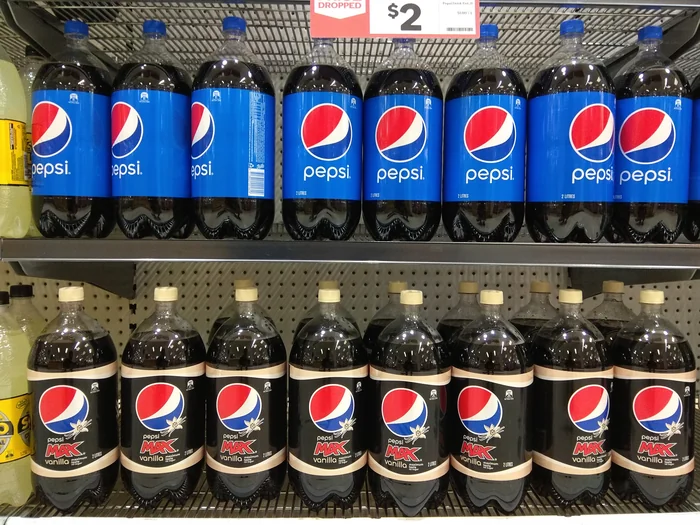
PepsiCo Uses AI to Model Possible Facility Changes
PepsiCo is using AI-powered digital twins to simulate facility changes before investing in physical plant and warehouse upgrades.
Tags
Operations Management by Cachon & Terwiesch
Competitiveness Strategy Productivity
Intro to Processes
Operations and Supply Chain Management by Jacobs & Chase
Operations and Supply Chain Management The Core by Jacobs & Chase
Managing Processes and Capacity
Manufacturing Processes
OPS and Supply Chain Strategy
Process Design and Analysis
Process Selection
Process Selection and Facility Layout
Operations Management in the Supply Chain by Schroeder & Goldstein
Operations Management by Stevenson
Strategy
Strategy and Sustainability
Supply Chain Management
Managing Operations Across the Supply Chain by Swink, Melnyk, Hartley & Cooper
Blog
Article
OM in the News
Higher Education
PepsiCo is testing AI and "digital twin" technologies before making any physical changes. The company is assessing its effectiveness in simulating, validating and optimizing plant and warehouse facilities.
A digital twin is a real-time virtual model of a physical asset, system or process, which companies use to simulate the effects of possible operational changes or additions. PepsiCo plans to first simulate upgrades to its U.S. facilities, then expand globally.
PepsiCo is partnering with AI chipmaker Nvidia and global industrial technology company Siemens in an effort to remake PepsiCo’s plant and supply chain operations. Siemens’ technology enables PepsiCo to recreate every machine, conveyor, pallet route and operator path. They are able to simulate, test and refine system changes, helping identify up to 90% of potential issues before making any physical changes.
This post is based on the Supply Chain Dive article, PepsiCo uses digital twins to trial plant changes., by Antone Gonsalves, January 20, 2026; the Trend Micro article, What Is a Digital Twin?, by Trend Micro Staff, August 14, 2025; and the YouTube video in the Spotlight. Image source: Shutterstock / TY Lim
Discussion Questions:
1. What are some advantages to proactively using AI/twin towers technology in system design considerations?
Guidance: Modeling in a test / AI environment first can lessen or avoid up-front investment decisions. The strategic nature of system design decisions means they're difficult and costly to change after the fact. Using AI/twin towers technology also allows for various scenarios to be considered to derive an optimal solution for investment purposes.
2. Discuss the importance of collaboration internally (within PepsiCo) and externally (with upstream and downstream trading partners) in terms of AI/twin towers modeling.
Guidance: Suppliers (upstream trading partners) need to ensure they have and will have sufficient capacity to align, enable, and support possible customer changes.
Deep insight into customer (downstream) demand is vitally important as sales volumes typically drive investment decisions, including facility configuration.
Clear communication between internal functions such as HR and Operations, and Sales and Supply Chain, are vital. Higher sales and production volumes in twin towers modeling may warrant additional labor and more quality management systems.
Author: James Kirby Easterling, DBA
Eastern Kentucky University
Program Director, Global Supply Chain Management
Associate Professor and Executive-in-Residence
Share:
Regional Page Available
It looks like you're outside the United States. Do you want to see your regional version of this page?
Education Topics
Education Topics/Courses
Education Topics/Courses/OM in the News
Education Topics/Courses/OM in the News/Title
Education Topics/Courses/OM in the News/Title/Operations and Supply Chain Management by Jacobs & Chase
Education Topics/Courses/OM in the News/Topic
Education Topics/Courses/OM in the News/Topic/Process Design and Analysis
Education Topics/Courses/OM in the News/Title/Operations and Supply Chain Management The Core by Jacobs & Chase
Education Topics/Courses/OM in the News/Title/Operations Management by Stevenson
Business Unit
Business Unit/Higher Education
Asset Format Type
Asset Format Type/Blog
Education Topics/Courses/OM in the News/Topic/Process Selection
Education Topics/Courses/OM in the News/Topic/OPS and Supply Chain Strategy
Education Topics/Courses/OM in the News/Topic/Process Selection and Facility Layout
Education Topics/Courses/OM in the News/Topic/Intro to Processes
Education Topics/Courses/OM in the News/Topic/Strategy
Education Topics/Courses/OM in the News/Topic/Manufacturing Processes
Education Topics/Courses/OM in the News/Topic/Competitiveness Strategy Productivity
Education Topics/Courses/OM in the News/Topic/Strategy and Sustainability
Education Topics/Courses/OM in the News/Title/Operations Management by Cachon & Terwiesch
Asset Format Type/Blog/Article
Education Topics/Courses/OM in the News/Title/Managing Operations Across the Supply Chain by Swink, Melnyk, Hartley & Cooper
Education Topics/Courses/OM in the News/Title/Operations Management in the Supply Chain by Schroeder & Goldstein
Education Topics/Courses/OM in the News/Topic/Managing Processes and Capacity
Education Topics/Courses/OM in the News/Topic/Supply Chain Management
highered
2026-11-06T17:17:24.567Z
highered PepsiCo Uses AI to Model Possible Facility Changes PepsiCo is using AI-powered digital twins to simulate facility changes before investing in physical plant and warehouse upgrades. PepsiCo is testing AI and "digital twin" technologies before making any physical changes. The company is assessing its effectiveness in simulating, validating and optimizing plant and warehouse facilities. A digital twin is a real-time virtual model of a physical asset, system or process, which companies use to simulate the effects of possible operational changes or additions. PepsiCo plans to first simulate upgrades to its U.S. facilities, then expand globally. PepsiCo is partnering with AI chipmaker Nvidia and global industrial technology company Siemens in an effort to remake PepsiCo’s plant and supply chain operations. Siemens’ technology enables PepsiCo to recreate every machine, conveyor, pallet route and operator path. They are able to simulate, test and refine system changes, helping identify up to 90% of potential issues before making any physical changes. Video Spotlight: How PepsiCo Uses Digital Twins & AI to Rethink Manufacturing (Jan 8, 2026, Siemens) This post is based on the Supply Chain Dive article, PepsiCo uses digital twins to trial plant changes., by Antone Gonsalves, January 20, 2026; the Trend Micro article, What Is a Digital Twin?, by Trend Micro Staff, August 14, 2025; and the YouTube video in the Spotlight. Image source: Shutterstock / TY Lim Discussion Questions: 1. What are some advantages to proactively using AI/twin towers technology in system design considerations? Guidance: Modeling in a test / AI environment first can lessen or avoid up-front investment decisions. The strategic nature of system design decisions means they're difficult and costly to change after the fact. Using AI/twin towers technology also allows for various scenarios to be considered to derive an optimal solution for investment purposes. 2. Discuss the importance of collaboration internally (within PepsiCo) and externally (with upstream and downstream trading partners) in terms of AI/twin towers modeling. Guidance: Suppliers (upstream trading partners) need to ensure they have and will have sufficient capacity to align, enable, and support possible customer changes. Deep insight into customer (downstream) demand is vitally important as sales volumes typically drive investment decisions, including facility configuration. Clear communication between internal functions such as HR and Operations, and Sales and Supply Chain, are vital. Higher sales and production volumes in twin towers modeling may warrant additional labor and more quality management systems. James Kirby Easterling, DBA Eastern Kentucky University Program Director, Global Supply Chain Management Associate Professor and Executive-in-Residence
PepsiCo is using AI-powered digital twins to simulate facility changes before investing in physical plant and warehouse upgrades.
Operations and Supply Chain Management by Jacobs & Chase, Process Design and Analysis, Operations and Supply Chain Management The Core by Jacobs & Chase, Operations Management by Stevenson, Higher Education, Blog, Process Selection, OPS and Supply Chain Strategy, OM in the News, Process Selection and Facility Layout, Intro to Processes, Strategy, Manufacturing Processes, Competitiveness Strategy Productivity, Strategy and Sustainability, Operations Management by Cachon & Terwiesch, Article, Managing Operations Across the Supply Chain by Swink, Melnyk, Hartley & Cooper, Operations Management in the Supply Chain by Schroeder & Goldstein, Managing Processes and Capacity, Supply Chain Management