
GE Aerospace Experiences Surge in Demand
GE Aerospace is using lean operations to simplify work, improve quality, and address surging engine demand and a growing backlog.
- APP and MPS
- Operations Management by Cachon & Terwiesch
- Forecasting
- Operations and Supply Chain Management by Jacobs & Chase
- Operations and Supply Chain Management The Core by Jacobs & Chase
- Managing Quality
- MRP and ERP
- Quality and SPC
- S and OP
- Operations Management in the Supply Chain by Schroeder & Goldstein
- Six Sigma Quality
- Operations Management by Stevenson
- Managing Operations Across the Supply Chain by Swink, Melnyk, Hartley & Cooper
- Blog
- Article
- OM in the News
- Higher Education
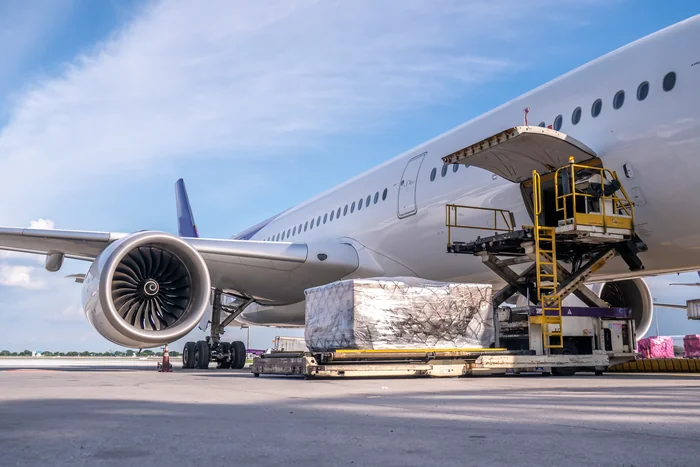
GE Aerospace, a world-leading provider of jet and turboprop engines, as well as integrated systems for commercial, military, business and general aviation aircraft, announced strong earnings growth in the fourth quarter of 2025.
The company saw quarterly revenue increase 18%, to $12.7 billion over the previous year. Additionally, the engine maker saw Q4 orders surge 74% to $27 billion, accounting for nearly half of its orders for the whole year. At the same time, GE worked to simplify operations and work through backlog.
In early 2025, GE Aerospace formed its Technology & Operations team with the goal of implementing the company’s lean operating model, “Flight Deck”, to improve product quality and delivery speeds across its engineering, quality, supply chain and manufacturing functions. According to GE Aerospace leaders, this new effort has helped the company partner with suppliers more effectively, resulting in higher outputs.
In addition to implementing its Flight Deck program, GE Aerospace has pledged to spend nearly $1 billion on its U.S. manufacturing footprint and supply chain, with more than half of the total directly going to its 26 existing facilities for equipment and technology upgrades.
GE Aerospace recently secured new contracts to make engines for the U.S. Marine Corp’s heavy-lift helicopters, along with a deal for powering 30 Boeing planes for Delta Air Lines.
Video Spotlight:
- GE Aerospace CEO Larry Culp on forecast: Revenues will be up double digits. (Jan 22, 2026, CNBC Television)
This post is based on the Manufacturing Dive article, GE Aerospace ends 2025 on high note as engine demand surges, by Nathan Owens, January 23, 2026, and the YouTube video in the Spotlight. Image source: supakitswn/Shutterstock
Discussion Questions:
1. What are some of the operational challenges when demand increases by a large percentage in a short period of time, such as one quarter?
Guidance: Managing the increase in demand will require tighter collaboration with the upstream supplier base; a tight alignment is needed to avoid triggering a bullwhip effect.
Another challenge: a company may have to transition part of the supply base to premium transportation (for example, air shipments rather than ocean transport), which could lead to higher costs.
If demand exceeds manufacturing (supply) capability in any one period, it may require building up inventory (in all forms) in advance.
A large demand increase in the short term could also lead to more strain/stress on employees and equipment. A company would need to emphasize worker safety and ensure preventive maintenance is done on equipment as they work to handle the increased demand.
2. How can a robust S&OP (Sales & Operations Planning) process be of great value in periods of heavily increasing demand?
Guidance: Effective S&OP leads to better alignment between the Sales (Marketing) and Operations (Supply Chain) functions. When all functions understand supply capability, it enables more accurate planning/communication with customers and suppliers.
A sales team may be able to influence higher profitability through premium pricing strategies for customers with the highest (or most urgent) demand.
Operations and supply chain teams can more fully understand peak demand periods and prepare with extra emphasis on training, safety, quality, resiliency, and planning.

