
Zipline To Expand Drone Delivery Across Africa
Zipline will expand medical drone deliveries across Africa with up to $150 million in support after years of service in Rwanda.
- Operations Management by Cachon & Terwiesch
- Design of Products and Services
- Global Logistics
- Operations and Supply Chain Management by Jacobs & Chase
- Operations and Supply Chain Management The Core by Jacobs & Chase
- Location Logistics and Distribution
- Logistics Mgmt
- Logistics Distribution Transportation
- New Product Development
- Product and Svc Design
- Product Design
- Product Process Innovation
- Projects
- Operations Management in the Supply Chain by Schroeder & Goldstein
- Operations Management by Stevenson
- Supply Chain Management
- Managing Operations Across the Supply Chain by Swink, Melnyk, Hartley & Cooper
- Blog
- Article
- OM in the News
- Higher Education
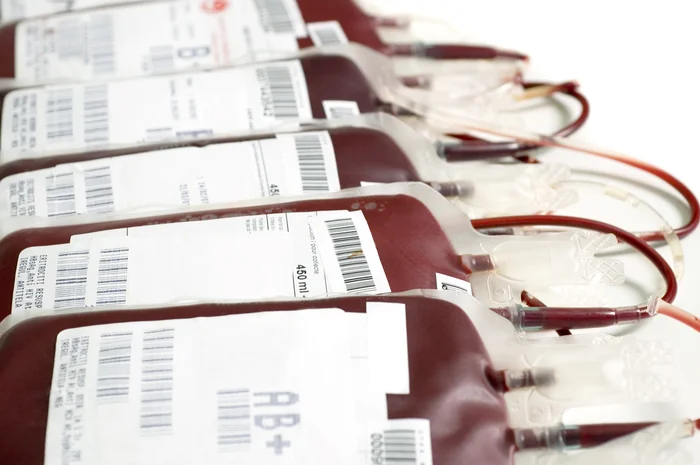
In an attempt to respond to developing countries’ request for “trade, not aid,” in November 2025, the U.S. State Department launched its first significant international aid program as part of the "America First" global health strategy.
Zipline, which has spent almost a decade in Rwanda providing drone delivery service for blood and critical medical supplies, will be able to receive up to $150 million to further expand its presence in Africa. Zipline currently serves about 5,000 hospitals globally and has flown over 125 million autonomous miles.
Meanwhile, Zipline is also rapidly expanding its services in the United States.
Video Spotlight:
- Zipline CEO on State Department deal: A big transition toward commercial diplomacy (Nov 26, 2025, CNBC Television)
- Hyperscaling our Life Saving Impact in Africa (Nov 25, 2025, Zipline)
This post is based on the Drone Life article, Zipline expands life-saving drone delivery network across Africa with new U.S. government partnership, by Miriam McNabb, November 25, 2025; a U.S. Department of State Press Release, Advancing the America First Global Health Strategy and Promoting American Innovation through a Partnership with the Zipline Drone Delivery Network, November 25, 2025; and the YouTube videos in the Spotlight. Image source: vladm/Shutterstock
Discussion Questions:
1. In what ways is this aid program in line with what developing nations are asking for?
Guidance: Zipline is bringing technology, AI, jobs, and entrepreneurial opportunities to the countries in which it operates. Rwanda initially invited Zipline in as part of its program to become a tech-forward African nation. Other countries in Africa have followed suit. In addition, Zipline is furthering the medical field, saving lives, and building goodwill in the countries in which it operates.
This type of commercially driven international aid being put forth by the U.S. State Department helps developing countries improve their economies by becoming more productive, more tech driven, and more educated in advanced technology. It also requires these countries to match U.S. contributions for utilization fees, giving them a vested interested in making this program work. Focusing aid on business operations and applications rather than simply giving money for food or other programs will hopefully lift the economies of these countries in the long term and improve their standard of living.
2. How is Zipline expanding its reach in the United States?
Guidance: Zipline’s ability to partner with major players like Walmart and Cleveland Clinic has led to rapid recent growth in the U.S. drone delivery sector. Founder and CEO Keller Rinaudo Cliffton reports that deliveries are in the thousands per day in its Dallas test markets, and recently, the one-day total for U.S. deliveries surpassed all other countries’ deliveries combined for that same day. In addition, deliveries this past month increased by about 15 percent every week.
There appears to be a rapid increasing trend in U.S. Zipline deliveries. Retailers and restaurants have been waiting for drone delivery to receive more widespread permission to operate, and as that comes, they will be quick to offer it.
3. What is the future for “autonomous logistics” and how does it affect productivity in the delivery sector?
Guidance: Zipline's CEO stated that in 2025, there would be 5.5 billion “instant” deliveries via platforms like Door Dash and Uber Eats, with an average package weight of less than five pounds. Deliveries are currently by humans in cars, racking up labor costs as well as increasing emissions. Zipline improves productivity in this area for businesses by reducing costs while simultaneously offering a more sustainable alternative.
In addition, Zipline drones increase the speed of delivery, with most reaching their destinations within a maximum of ten to fifteen minutes. Some deliveries are under five minutes. Speed can be especially helpful with restaurant deliveries or medicine that is needed quickly.
As these drones move from the introductory phase of the product life cycle in the U.S. to the growth phase, demand may soon explode. Cliffton forecasts that if instant delivery can be affordable, reliable, and safe, the number of deliveries could increase tenfold in the near future, from 5.5 billion to 50 billion, and he wants his drones to be a major driver in that scenario.

