Lego's Smart Bricks and Smart Play Kick Off a Product Life Cycle
Lego's Smart Play platform adds chips, sensors, lights, sounds, and interactive features to bricks, minifigures, and play sets.
- Operations Management by Cachon & Terwiesch
- Competitiveness Strategy Productivity
- Design of Products and Services
- Operations and Supply Chain Management by Jacobs & Chase
- Operations and Supply Chain Management The Core by Jacobs & Chase
- New Product Development
- OPS and Supply Chain Strategy
- OPS and Supply Chain Management
- Product and Svc Design
- Product Design
- Product Process Innovation
- Operations Management in the Supply Chain by Schroeder & Goldstein
- Operations Management by Stevenson
- Strategy
- Strategy and Sustainability
- Managing Operations Across the Supply Chain by Swink, Melnyk, Hartley & Cooper
- Blog
- Article
- OM in the News
- Higher Education
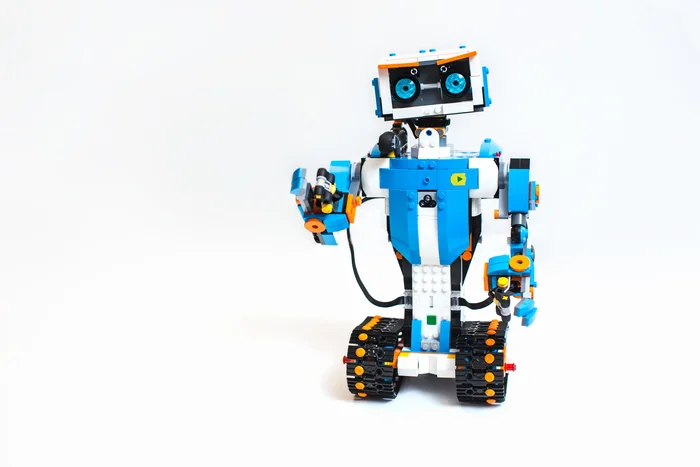
Lego is integrating its Smart Play technology with its smart bricks, minifigures and tags to create play sets with interactive elements, visuals, sounds, and animations.
Kids can go beyond building a lego set for display only. They can now build a real-time tech-powered set based on their favorite video games, movies, comic books, and TV shows, with bricks equipped with chips, sensors, accelerometers, light and sound sensors, and speakers.
Video Spotlight:
- What Is a LEGO Smart Brick? (Nov 10, 2025, Brickstalgic)
This post is based on the Polygon article, Lego's next big thing powers a new generation of Star Wars Lego sets, by Chris Hayner, January 5, 2026, and the YouTube video in the Spotlight. Image source: Tatyaby/Shutterstock
Discussion Questions:
1. What is product life cycle management, and how does it connect to product life stages?
Guidance: Product life cycle management (PLM) is a systematic approach to managing changes a product goes through, from conception, design, development, production, redesign to end of life. PLM is closely related to the three product life stages, calling for specific strategies related to the beginning of life (design and development), middle of life (production), and end of life (discontinuance).
2. Illustrate the concept of product life stages with the use of the Lego case.
Guidance: For Lego, its smart brick represents a product design change that involves modification of its existing bricks to expand its product offerings from building static to interactive play sets.
From the product life stages perspective, the end of life of the static bricks are now undergoing a product redesign to transition to the beginning of life of the interactive bricks.
3. Illustrate the concept of product life cycle management with the use of the Lego case.
Guidance: From the product life cycle management perspective, Lego’s smart bricks are an evolution of its static bricks product. They incorporate chips, sensors, accelerometers, speakers, light and sound sensors that allow the building of interactive, technology-powered play sets.
PLM brings new life to Lego's static bricks, transforming them into technology-powered smart bricks for new ways of building interactive play sets.