Whirlpool Expanding Domestic Manufacturing
Whirlpool is investing $300 million in two Ohio laundry plants, creating 600 jobs and expanding domestic appliance production.
- Operations Management by Cachon & Terwiesch
- Competitiveness Strategy Productivity
- Operations and Supply Chain Management by Jacobs & Chase
- Operations and Supply Chain Management The Core by Jacobs & Chase
- Manufacturing and Svc Process Structures
- Manufacturing Processes
- OPS and Supply Chain Strategy
- Process Selection and Facility Layout
- Operations Management in the Supply Chain by Schroeder & Goldstein
- Operations Management by Stevenson
- Strategy
- Strategy and Sustainability
- Supply Chain Management
- Managing Operations Across the Supply Chain by Swink, Melnyk, Hartley & Cooper
- Blog
- Article
- OM in the News
- Higher Education
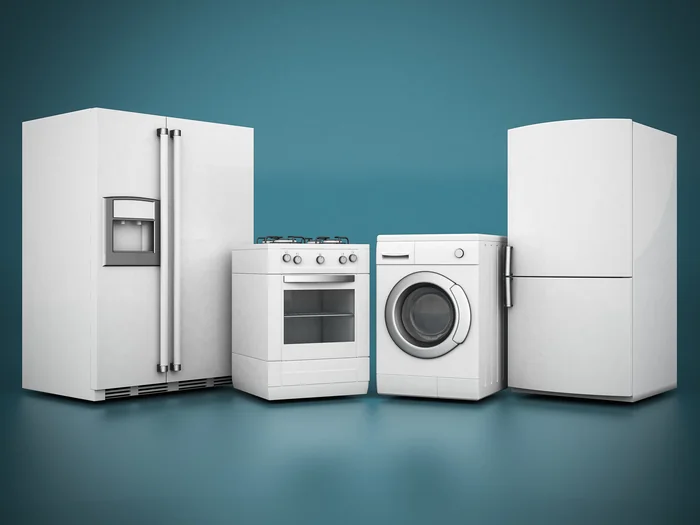
Home appliance manufacturer Whirlpool recently announced plans to invest $300 million in two of its laundry manufacturing facilities in Ohio, which will create 600 new jobs across two locations.
The Clyde facility is the largest washing machine plant in the world, whereas the Marion factory produces dryers. The investment will receive financial assistance from economic development agency JobsOhio along with tax credits from the State of Ohio.
Whirlpool touts itself as the “only major U.S.-based manufacturer of kitchen and laundry appliances,” while continuing to embrace an emphasis on domestic production that dates back well over 100 years. About 80% of appliances Whirlpool sells in the U.S. are built domestically, which Whirlpool says is three times greater than the average of its major competitors. The vast majority of the steel it uses across its portfolio of brands is also sourced within the U.S.
“Whirlpool Corporation’s unwavering commitment to American manufacturing is a cornerstone of our identity,” said CEO Marc Bitzer.
Major competitors, such as LG and Samsung, make most of their appliances for the U.S. market in factories overseas. Whirlpool’s leadership sees the company’s domestic production strategy as a competitive advantage, especially in light of recent tariffs.
The company is not immune to market challenges, though, such as a slowdown in consumer demand and a sluggish housing market affecting appliance sales.
Whirlpool was founded in 1911 in Benton Harbor (MI), and has a number of well-known brands under its corporate umbrella, including KitchenAid, JennAir, Amana, and Maytag. Whirlpool was the first company to introduce an automatic washing machine, in 1948.
In 2024, the company reported approximately $17 billion in annual net sales—nearly 90% of which were in the Americas—with over 44,000 employees and 40 manufacturing and technology research locations.
Video Spotlight:
- $300M Whirlpool investment signals welcomed change for Marion (Oct 15, 2025, WBNS 10TV)
This post is based on the Supply Chain Dive article, Whirlpool to invest $300M in Ohio plants, by Shefali Kapadia, October 17, 2025; the Whirlpool website; and the YouTube video in the Spotlight. Image source: mrgarry/123RF
Discussion Questions:
1. What are general supply chain implications for Whirlpool, based on decisions to increase domestic manufacturing?
Guidance: Higher outputs driven by higher labor will require additional raw materials, packaging, and transportation services. There will be a need to collaborate with upstream trading partners.
Investments in new supply chain tools, training, and technology may be necessary.
It will likely lead to a heightened focus on inventory management to further align inventory and capacity with demand.
2. What are some key takeaways from this article?
Guidance: Some companies embrace domestic production, which lessens the impact of tariffs on imports from foreign suppliers/imported inputs.
There are a slew of governmental tax incentives available within most states for expanding domestic production and expanding economic development.
The vast majority of Whirlpool’s domestic production is sold within the US, leading to lower tariff considerations, more streamlined shipping to customers, and quicker ability to respond to demand shifts.