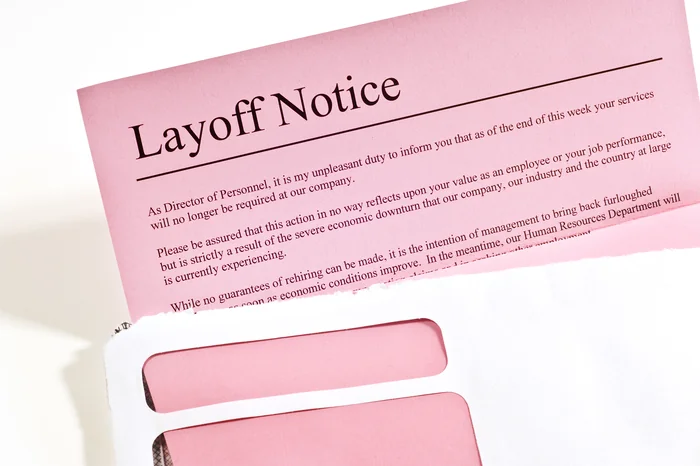
Nestlé plans to cut 16,000 jobs and expand automation as it targets $3.8 billion in cost reductions by the end of 2027.
Tags
Operations Management by Cachon & Terwiesch
Capacity Planning
Competitiveness Strategy Productivity
Operations and Supply Chain Management by Jacobs & Chase
Operations and Supply Chain Management The Core by Jacobs & Chase
Lean Operations and the Tps
Managing Processes and Capacity
OPS and Supply Chain Strategy
Operations Management in the Supply Chain by Schroeder & Goldstein
Operations Management by Stevenson
Strategic Capacity Management
Strategic Capacity Planning
Strategy
Strategy and Sustainability
Supply Chain Management
Managing Operations Across the Supply Chain by Swink, Melnyk, Hartley & Cooper
Blog
Article
OM in the News
Higher Education
Swiss-based packaged food giant Nestlé recently announced an acceleration of right-sizing initiatives that will include the reduction of 16,000 jobs, or about 6% of its global workforce.
The job cuts will include administrative professionals and reductions in manufacturing and supply chain, contributing to its expanded cost reduction goal of $3.8 billion by the end of 2027.
In a call with investors, newly appointed CEO Philipp Navratil shared, “Nestlé has not been the most efficient company in the past.” As part of its transformation, the food giant plans to prioritize automation to enable faster decision making to scale up and down as business changes.
Part of the transformation plan includes a heightened focus on assessing talent. The company plans to measure leaders and employees alike on certain key performance indicators (KPIs). “Part of the performance culture is obviously making sure that the ones that perform are the ones we keep in the company and the ones that don’t, they don’t,” said Navratil.
Nestlé is also dealing with consumer spending declines due to inflation and global uncertainty, with some Nestlé brands adversely impacted by higher coffee and cocoa costs, due partly to U.S. tariffs. The company’s size has also made it more difficult to quickly adapt to changing consumer preferences, especially as more shoppers turn away from processed foods.
1. What are some possible supply chain implications for Nestlé, based on the CEO's announcement?
Guidance: With striving to become a more agile company, supply chain professionals may need additional training to learn new skills and expand their personal and organizational capabilities.
Investments in new technology and system upgrades (such as new AI & machine learning tools) may be necessary.
Changes will likely lead to a heightened focus on inventory management to further align supply capabilities (inventory and capacity) with demand on a product-by-product basis.
2. What are some key take-aways from this article?
Guidance: Companies have to make difficult choices in terms of realigning and reassessing organizational size and scope with market and competitive pressures. The trend is towards a more nimble and agile workforce that can respond more quickly as consumer trends and the marketplace evolves. While revenue growth (top-line) can positively affect profit margin, so too can cost reductions (bottom-line).
Author: James Kirby Easterling, DBA
Eastern Kentucky University
Program Director, Global Supply Chain Management
Associate Professor and Executive-in-Residence
Share:
Regional Page Available
It looks like you're outside the United States. Do you want to see your regional version of this page?
Education Topics
Education Topics/Courses
Education Topics/Courses/OM in the News
Education Topics/Courses/OM in the News/Title
Education Topics/Courses/OM in the News/Title/Operations and Supply Chain Management by Jacobs & Chase
Education Topics/Courses/OM in the News/Title/Operations and Supply Chain Management The Core by Jacobs & Chase
Education Topics/Courses/OM in the News/Title/Operations Management by Stevenson
Business Unit
Business Unit/Higher Education
Education Topics/Courses/OM in the News/Topic
Education Topics/Courses/OM in the News/Topic/Capacity Planning
Education Topics/Courses/OM in the News/Topic/Strategic Capacity Management
Asset Format Type
Asset Format Type/Blog
Education Topics/Courses/OM in the News/Topic/OPS and Supply Chain Strategy
Education Topics/Courses/OM in the News/Topic/Strategic Capacity Planning
Education Topics/Courses/OM in the News/Topic/Strategy
Education Topics/Courses/OM in the News/Topic/Competitiveness Strategy Productivity
Education Topics/Courses/OM in the News/Topic/Strategy and Sustainability
Education Topics/Courses/OM in the News/Topic/Lean Operations and the Tps
Education Topics/Courses/OM in the News/Title/Operations Management by Cachon & Terwiesch
Asset Format Type/Blog/Article
Education Topics/Courses/OM in the News/Title/Managing Operations Across the Supply Chain by Swink, Melnyk, Hartley & Cooper
Education Topics/Courses/OM in the News/Title/Operations Management in the Supply Chain by Schroeder & Goldstein
Education Topics/Courses/OM in the News/Topic/Managing Processes and Capacity
Education Topics/Courses/OM in the News/Topic/Supply Chain Management
highered
2026-11-06T17:11:12.389Z
highered Nestlé Accelerates Right-Sizing Initiatives Nestlé plans to cut 16,000 jobs and expand automation as it targets $3.8 billion in cost reductions by the end of 2027. Swiss-based packaged food giant Nestlé recently announced an acceleration of right-sizing initiatives that will include the reduction of 16,000 jobs, or about 6% of its global workforce. The job cuts will include administrative professionals and reductions in manufacturing and supply chain, contributing to its expanded cost reduction goal of $3.8 billion by the end of 2027. In a call with investors, newly appointed CEO Philipp Navratil shared, “Nestlé has not been the most efficient company in the past.” As part of its transformation, the food giant plans to prioritize automation to enable faster decision making to scale up and down as business changes. Part of the transformation plan includes a heightened focus on assessing talent. The company plans to measure leaders and employees alike on certain key performance indicators (KPIs). “Part of the performance culture is obviously making sure that the ones that perform are the ones we keep in the company and the ones that don’t, they don’t,” said Navratil. Nestlé is also dealing with consumer spending declines due to inflation and global uncertainty, with some Nestlé brands adversely impacted by higher coffee and cocoa costs, due partly to U.S. tariffs. The company’s size has also made it more difficult to quickly adapt to changing consumer preferences, especially as more shoppers turn away from processed foods. Video Spotlight: Swiss Food Giant Nestlé Announces Plans to Cut 16,000 Jobs (Oct 16, 2025, Bloomberg Television) This post is based on the Supply Chain Dive article, Nestlé cutting 4K jobs in supply chain, manufacturing, by Christopher Doering, October 20, 2025; the Fast Company article, Layoffs across sectors are raising worker anxiety. These companies have recently cut jobs, by Associated Press, November 21, 2025; and the YouTube video in the Spotlight. Image source: WendellandCarolyn/iStock/Getty Images Plus/Getty Images Discussion Questions: 1. What are some possible supply chain implications for Nestlé, based on the CEO's announcement? Guidance: With striving to become a more agile company, supply chain professionals may need additional training to learn new skills and expand their personal and organizational capabilities. Investments in new technology and system upgrades (such as new AI & machine learning tools) may be necessary. Changes will likely lead to a heightened focus on inventory management to further align supply capabilities (inventory and capacity) with demand on a product-by-product basis. 2. What are some key take-aways from this article? Guidance: Companies have to make difficult choices in terms of realigning and reassessing organizational size and scope with market and competitive pressures. The trend is towards a more nimble and agile workforce that can respond more quickly as consumer trends and the marketplace evolves. While revenue growth (top-line) can positively affect profit margin, so too can cost reductions (bottom-line). James Kirby Easterling, DBA Eastern Kentucky University Program Director, Global Supply Chain Management Associate Professor and Executive-in-Residence
Nestlé plans to cut 16,000 jobs and expand automation as it targets $3.8 billion in cost reductions by the end of 2027.
Operations and Supply Chain Management by Jacobs & Chase, Operations and Supply Chain Management The Core by Jacobs & Chase, Operations Management by Stevenson, Higher Education, Capacity Planning, Strategic Capacity Management, Blog, OPS and Supply Chain Strategy, OM in the News, Strategic Capacity Planning, Strategy, Competitiveness Strategy Productivity, Strategy and Sustainability, Lean Operations and the Tps, Operations Management by Cachon & Terwiesch, Article, Managing Operations Across the Supply Chain by Swink, Melnyk, Hartley & Cooper, Operations Management in the Supply Chain by Schroeder & Goldstein, Managing Processes and Capacity, Supply Chain Management