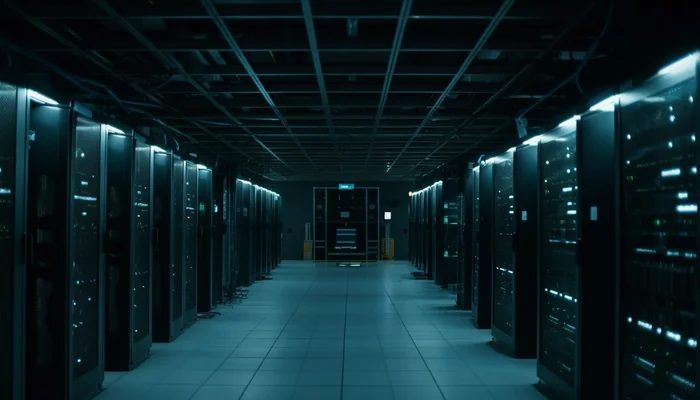
Sustainable Design Features at Microsoft Data Center
Microsoft's $3.3 billion Wisconsin AI data center will use advanced cooling and energy offsets while creating 800 skilled jobs.
Tags
Operations Management by Cachon & Terwiesch
Global Logistics
Intro to Managing Ops
Intro to OM
Introduction
Operations and Supply Chain Management by Jacobs & Chase
Operations and Supply Chain Management The Core by Jacobs & Chase
Location Logistics and Distribution
Location Planning and Analysis
Logistics Mgmt
Logistics Distribution Transportation
OPS and Supply Chain Management
Operations Management in the Supply Chain by Schroeder & Goldstein
Operations Management by Stevenson
Supply Chain Management
Managing Operations Across the Supply Chain by Swink, Melnyk, Hartley & Cooper
The Operations Function
Blog
Article
OM in the News
Higher Education
Microsoft plans to build a $3.3 billion data center in Mount Pleasant, Wisconsin, to house an AI supercomputer.
The data center includes several green infrastructure features, including reducing water use with a state-of-the-art cooling system and offsetting energy use with solar and fossil fuel power generation.
The data center will generate 800 jobs for skilled pipefitters and electricians.
1. What is the relevance of sustainability to business operations?
Guidance: Sustainability refers to the ability of an organization to achieve its economic, environmental, and social goals both now and in the future. Sustainability in business operations means managing resources and processes to ensure economic viability (e.g., strong financial performance), environmental responsibility (e.g., waste and emissions reduction), and social well-being (e.g., fair labor practices and community engagement.
2. What are the sustainability considerations for location decisions?
Guidance: The sustainability considerations for location decisions include impacts on local natural ecology (e.g., water and land consumption), environmental disturbances (e.g., pollution and waste management), and social impacts on the community (e.g., resource equity and job opportunities.
3. How did Microsoft take sustainability into account when developing plans for its Mount Pleasant, Wisconsin data center location?
Guidance: Microsoft’s sustainability considerations include (1) using a state-of-the-art cooling system to reduce water use, (2) using solar and fossil fuel power generation to offset energy use, and (3) providing job opportunities for 800 pipefitters and electricians.
Author: Anita Lee-Post, Ph.D.
Gatton College of Business and Economics
University of Kentucky
Associate Professor
Share:
Regional Page Available
It looks like you're outside the United States. Do you want to see your regional version of this page?
Education Topics
Education Topics/Courses
Education Topics/Courses/OM in the News
Education Topics/Courses/OM in the News/Title
Education Topics/Courses/OM in the News/Title/Operations and Supply Chain Management by Jacobs & Chase
Education Topics/Courses/OM in the News/Title/Operations and Supply Chain Management The Core by Jacobs & Chase
Education Topics/Courses/OM in the News/Title/Operations Management by Stevenson
Business Unit
Business Unit/Higher Education
Asset Format Type
Asset Format Type/Blog
Education Topics/Courses/OM in the News/Topic
Education Topics/Courses/OM in the News/Topic/The Operations Function
Education Topics/Courses/OM in the News/Topic/OPS and Supply Chain Management
Education Topics/Courses/OM in the News/Topic/Introduction
Education Topics/Courses/OM in the News/Topic/Logistics Mgmt
Education Topics/Courses/OM in the News/Topic/Intro to Managing Ops
Education Topics/Courses/OM in the News/Topic/Logistics Distribution Transportation
Education Topics/Courses/OM in the News/Title/Operations Management by Cachon & Terwiesch
Education Topics/Courses/OM in the News/Topic/Intro to OM
Education Topics/Courses/OM in the News/Topic/Location Logistics and Distribution
Education Topics/Courses/OM in the News/Topic/Location Planning and Analysis
Education Topics/Courses/OM in the News/Topic/Global Logistics
Asset Format Type/Blog/Article
Education Topics/Courses/OM in the News/Title/Managing Operations Across the Supply Chain by Swink, Melnyk, Hartley & Cooper
Education Topics/Courses/OM in the News/Title/Operations Management in the Supply Chain by Schroeder & Goldstein
Education Topics/Courses/OM in the News/Topic/Supply Chain Management
highered
2026-11-17T19:38:04.189Z
highered Sustainable Design Features at Microsoft Data Center Microsoft's $3.3 billion Wisconsin AI data center will use advanced cooling and energy offsets while creating 800 skilled jobs. Sustainable Design Features at Microsoft Data Center Microsoft's $3.3 billion Wisconsin AI data center will use advanced cooling and energy offsets while creating 800 skilled jobs. Tags Operations Management by Cachon & Terwiesch Global Logistics Intro to Managing Ops Intro to OM Introduction Operations and Supply Chain Management by Jacobs & Chase Operations and Supply Chain Management The Core by Jacobs & Chase Location Logistics and Distribution Location Planning and Analysis Logistics Mgmt Logistics Distribution Transportation OPS and Supply Chain Management Operations Management in the Supply Chain by Schroeder & Goldstein Operations Management by Stevenson Supply Chain Management Managing Operations Across the Supply Chain by Swink, Melnyk, Hartley & Cooper The Operations Function Blog Article OM in the News Higher Education More Article Type: Blog October 19, 2025 Share: Microsoft plans to build a $3.3 billion data center in Mount Pleasant, Wisconsin, to house an AI supercomputer. The data center includes several green infrastructure features, including reducing water use with a state-of-the-art cooling system and offsetting energy use with solar and fossil fuel power generation. The data center will generate 800 jobs for skilled pipefitters and electricians. Video Spotlight: Microsoft president on new AI data center: Expect us to keep making these kinds of investments (Sept 18, 2025, CNBC Television) This post is based on the Reuters article, Microsoft boosts Wisconsin data center spending to $7 billion, by Stephen Nellis, September 18, 2025, and the YouTube video in the Spotlight. Image source: naturetron/123RF Discussion Questions: 1. What is the relevance of sustainability to business operations? Guidance: Sustainability refers to the ability of an organization to achieve its economic, environmental, and social goals both now and in the future. Sustainability in business operations means managing resources and processes to ensure economic viability (e.g., strong financial performance), environmental responsibility (e.g., waste and emissions reduction), and social well-being (e.g., fair labor practices and community engagement. 2. What are the sustainability considerations for location decisions? Guidance: The sustainability considerations for location decisions include impacts on local natural ecology (e.g., water and land consumption), environmental disturbances (e.g., pollution and waste management), and social impacts on the community (e.g., resource equity and job opportunities. 3. How did Microsoft take sustainability into account when developing plans for its Mount Pleasant, Wisconsin data center location? Guidance: Microsoft’s sustainability considerations include (1) using a state-of-the-art cooling system to reduce water use, (2) using solar and fossil fuel power generation to offset energy use, and (3) providing job opportunities for 800 pipefitters and electricians. About the Author Anita Lee-Post, Ph.D. Gatton College of Business and Economics University of Kentucky Associate Professor Anita Lee-Post, Ph.D. Gatton College of Business and Economics University of Kentucky Associate Professor
Microsoft's $3.3 billion Wisconsin AI data center will use advanced cooling and energy offsets while creating 800 skilled jobs.
Operations and Supply Chain Management by Jacobs & Chase, Operations and Supply Chain Management The Core by Jacobs & Chase, Operations Management by Stevenson, Higher Education, Blog, The Operations Function, OPS and Supply Chain Management, Introduction, Logistics Mgmt, OM in the News, Intro to Managing Ops, Logistics Distribution Transportation, Operations Management by Cachon & Terwiesch, Intro to OM, Location Logistics and Distribution, Location Planning and Analysis, Global Logistics, Article, Managing Operations Across the Supply Chain by Swink, Melnyk, Hartley & Cooper, Operations Management in the Supply Chain by Schroeder & Goldstein, Supply Chain Management