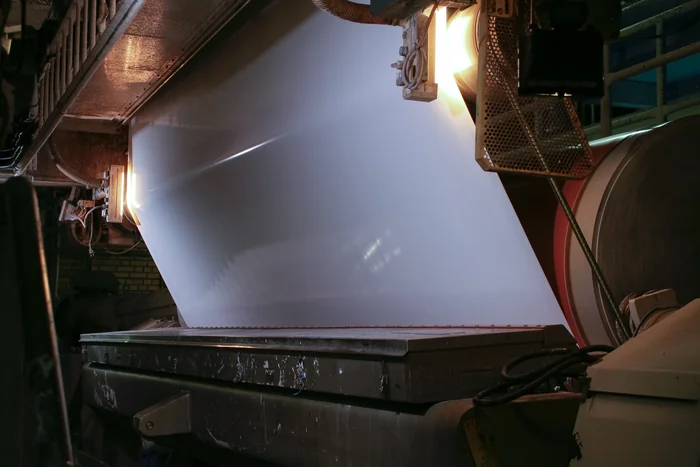
Pulp Mill Closures in 2025 Significantly Reduce Capacity
Pulp mill closures are reducing cardboard capacity and affecting costs throughout the supply chain, from timber suppliers to e-commerce.
Tags
Operations Management by Cachon & Terwiesch
Global Sourcing & Procurement
Operations and Supply Chain Management by Jacobs & Chase
Operations and Supply Chain Management The Core by Jacobs & Chase
Managing Processes and Capacity
OPS and Supply Chain Strategy
Operations Management in the Supply Chain by Schroeder & Goldstein
Operations Management by Stevenson
Strategic Capacity Management
Strategic Capacity Planning
Supply Chain Management
Managing Operations Across the Supply Chain by Swink, Melnyk, Hartley & Cooper
Blog
Article
OM in the News
Higher Education
Closures of pulp mills are expected to reduce production of cardboard boxes and raise prices of paper products. The closures affect the entire cardboard box supply chain from timber loggers to wood suppliers to box producers to e-commerce providers to consumers.
Many factors account for decreasing demand for cardboard boxes, including (1) impacts of tariffs that raise box production costs, (2) less demand for boxes for moving due to a sputtering house market, (3) less demand for boxes due to more efficient packaging, and (4) more monopolies of cardboard producers due to consolidations and mergers.
1. Explain what a supply chain is, using cardboard boxes as an example.
Guidance: A supply chain is a series of connected organizations involved in producing and delivering a product or service. A cardboard box supply chain begins with timber loggers who supply wood as raw material to pulp mills. Mills process the pulp into corrugated cardboard. The corrugated cardboard then serves as materials for making cardboard boxes at various box manufacturers. The boxes are then distributed to retailers and/or consumers who purchase the boxes for shipping and other purposes.
2. How do pulp mill closures disrupt the upstream part of the cardboard box supply chain?
Guidance: The upstream part of the cardboard supply chain starts with the suppliers of wood, pulp wood, and corrugated cardboard and ends with cardboard manufacturers who make cardboard boxes from corrugated cardboard. The closures of pulp mills reduces the supply of corrugated cardboard for box manufacturers, and reduces the demand for pulp wood from wood suppliers.
3. How do pulp mill closures disrupt the downstream part of the cardboard supply chain?
Guidance: The downstream part of the cardboard supply chain starts with cardboard manufacturers and ends with consumers, with distributors and retailers in between. The closures reduce the supply of corrugated cardboard for cardboard box manufacturers, for distributors, retailers, and consumers.
4. What are the contributing factors for the declining demand for cardboard boxes?
Guidance: The contributing factors include (1) tariffs that raise the production costs of materials for box manufacturing, (2) a consolidation of box producers which reduces the number of box manufacturers to three, (3) a slowing housing market which reduces the demand for boxes for moving, and (4) a more efficient way of packaging which reduces the number of boxes needed for shipping.
Author: Anita Lee-Post, Ph.D.
Gatton College of Business and Economics
University of Kentucky
Associate Professor
Share:
Regional Page Available
It looks like you're outside the United States. Do you want to see your regional version of this page?
Education Topics
Education Topics/Courses
Education Topics/Courses/OM in the News
Education Topics/Courses/OM in the News/Title
Education Topics/Courses/OM in the News/Title/Operations and Supply Chain Management by Jacobs & Chase
Education Topics/Courses/OM in the News/Title/Operations and Supply Chain Management The Core by Jacobs & Chase
Education Topics/Courses/OM in the News/Topic
Education Topics/Courses/OM in the News/Topic/Global Sourcing & Procurement
Education Topics/Courses/OM in the News/Title/Operations Management by Stevenson
Business Unit
Business Unit/Higher Education
Education Topics/Courses/OM in the News/Topic/Strategic Capacity Management
Asset Format Type
Asset Format Type/Blog
Education Topics/Courses/OM in the News/Topic/OPS and Supply Chain Strategy
Education Topics/Courses/OM in the News/Topic/Strategic Capacity Planning
Education Topics/Courses/OM in the News/Title/Operations Management by Cachon & Terwiesch
Asset Format Type/Blog/Article
Education Topics/Courses/OM in the News/Title/Managing Operations Across the Supply Chain by Swink, Melnyk, Hartley & Cooper
Education Topics/Courses/OM in the News/Title/Operations Management in the Supply Chain by Schroeder & Goldstein
Education Topics/Courses/OM in the News/Topic/Managing Processes and Capacity
Education Topics/Courses/OM in the News/Topic/Supply Chain Management
highered
2026-11-17T19:38:04.191Z
highered Pulp Mill Closures in 2025 Significantly Reduce Capacity Pulp mill closures are reducing cardboard capacity and affecting costs throughout the supply chain, from timber suppliers to e-commerce. Pulp Mill Closures in 2025 Significantly Reduce Capacity Pulp mill closures are reducing cardboard capacity and affecting costs throughout the supply chain, from timber suppliers to e-commerce. Tags Operations Management by Cachon & Terwiesch Global Sourcing & Procurement Operations and Supply Chain Management by Jacobs & Chase Operations and Supply Chain Management The Core by Jacobs & Chase Managing Processes and Capacity OPS and Supply Chain Strategy Operations Management in the Supply Chain by Schroeder & Goldstein Operations Management by Stevenson Strategic Capacity Management Strategic Capacity Planning Supply Chain Management Managing Operations Across the Supply Chain by Swink, Melnyk, Hartley & Cooper Blog Article OM in the News Higher Education More Article Type: Blog October 22, 2025 Share: Closures of pulp mills are expected to reduce production of cardboard boxes and raise prices of paper products. The closures affect the entire cardboard box supply chain from timber loggers to wood suppliers to box producers to e-commerce providers to consumers. Many factors account for decreasing demand for cardboard boxes, including (1) impacts of tariffs that raise box production costs, (2) less demand for boxes for moving due to a sputtering house market, (3) less demand for boxes due to more efficient packaging, and (4) more monopolies of cardboard producers due to consolidations and mergers. Video Spotlight: MORNING BUSINESS REPORT: Box Demand Drops, AI Tops College Lists (Sept 22, 2025, WFSB 3) This post is based on the Daily KOS article, “We’ve never seen anything like this magnitude of shuts”, as paper mills close to raise prices, by Lincoln Green, September 21, 2025; the Wall Street Journal article, Cardboard-Box Demand Is Slumping. Why That’s Bad News for the Economy., by Ryan Dezember, September 21, 2025; The Current article, Georgia timber industry faces struggle as large mills close, by Dave Williams/Capitol Beat, September 11, 2025; and the YouTube video in the Spotlight. Image source: AndrisTkachenko/Getty Images Discussion Questions: 1. Explain what a supply chain is, using cardboard boxes as an example. Guidance: A supply chain is a series of connected organizations involved in producing and delivering a product or service. A cardboard box supply chain begins with timber loggers who supply wood as raw material to pulp mills. Mills process the pulp into corrugated cardboard. The corrugated cardboard then serves as materials for making cardboard boxes at various box manufacturers. The boxes are then distributed to retailers and/or consumers who purchase the boxes for shipping and other purposes. 2. How do pulp mill closures disrupt the upstream part of the cardboard box supply chain? Guidance: The upstream part of the cardboard supply chain starts with the suppliers of wood, pulp wood, and corrugated cardboard and ends with cardboard manufacturers who make cardboard boxes from corrugated cardboard. The closures of pulp mills reduces the supply of corrugated cardboard for box manufacturers, and reduces the demand for pulp wood from wood suppliers. 3. How do pulp mill closures disrupt the downstream part of the cardboard supply chain? Guidance: The downstream part of the cardboard supply chain starts with cardboard manufacturers and ends with consumers, with distributors and retailers in between. The closures reduce the supply of corrugated cardboard for cardboard box manufacturers, for distributors, retailers, and consumers. 4. What are the contributing factors for the declining demand for cardboard boxes? Guidance: The contributing factors include (1) tariffs that raise the production costs of materials for box manufacturing, (2) a consolidation of box producers which reduces the number of box manufacturers to three, (3) a slowing housing market which reduces the demand for boxes for moving, and (4) a more efficient way of packaging which reduces the number of boxes needed for shipping. About the Author Anita Lee-Post, Ph.D. Gatton College of Business and Economics University of Kentucky Associate Professor Anita Lee-Post, Ph.D. Gatton College of Business and Economics University of Kentucky Associate Professor
Pulp mill closures are reducing cardboard capacity and affecting costs throughout the supply chain, from timber suppliers to e-commerce.
Operations and Supply Chain Management by Jacobs & Chase, Operations and Supply Chain Management The Core by Jacobs & Chase, Global Sourcing & Procurement, Operations Management by Stevenson, Higher Education, Strategic Capacity Management, Blog, OPS and Supply Chain Strategy, OM in the News, Strategic Capacity Planning, Operations Management by Cachon & Terwiesch, Article, Managing Operations Across the Supply Chain by Swink, Melnyk, Hartley & Cooper, Operations Management in the Supply Chain by Schroeder & Goldstein, Managing Processes and Capacity, Supply Chain Management