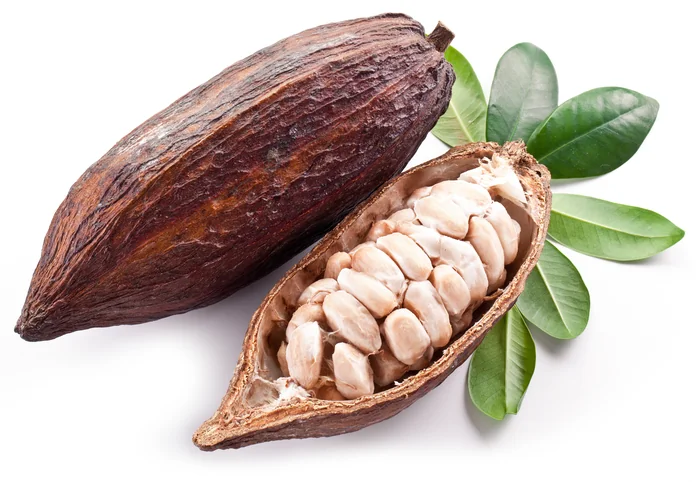
Nestlé developed a process that uses more of the cocoa fruit, increasing chocolate output while reducing waste and pressure on supply.
Tags
Operations Management by Cachon & Terwiesch
Competitiveness Strategy Productivity
Operations and Supply Chain Management by Jacobs & Chase
Operations and Supply Chain Management The Core by Jacobs & Chase
JIT and Lean Ops
Lean Operations and the Tps
Lean Supply Chains
Lean Systems
Lean Thinking and Lean Systems
New Product Development
OPS and Supply Chain Strategy
Operations Management in the Supply Chain by Schroeder & Goldstein
Operations Management by Stevenson
Strategy
Strategy and Sustainability
Managing Operations Across the Supply Chain by Swink, Melnyk, Hartley & Cooper
Blog
Article
OM in the News
Higher Education
Swiss food and drink conglomerate Nestlé has developed a process to maximize cocoa output.
The new technique utilizes up to 30% more of the cocoa fruit to produce chocolate by increasing utilization of other parts of the fruit, such as the pulp, placenta and pod husk.
Consumer demand for chocolate remains high, while at the same time there is growing pressure for cocoa farmers to improve sustainability initiatives in the Ivory Coast and Ghana in West Africa.
Chocolate is typically made using only the cocoa beans. Beans are harvested, fermented, dried, roasted and then ground into a liquor used to make chocolate. The process leaves a significant amount of the cocoa fruit unused.
Nestlé says the new process collects everything inside the pod as a wet mass, with the mass then ground, roasted and dried into chocolate flakes which can be used to make chocolate.
Nestlé is not alone in the attempt to improve efficiency and output. Mars, maker of the Milky Way candy bar, M&Ms and other chocolaty delights, is also undertaking Research and Development (R&D) initiatives, such as an effort to breed a high producing cocoa plant. Hershey is also undertaking a range of initiatives. All three companies strive to keep pace with increasing cocoa costs, and an all-time high in chocolate demand.
1. What are some possible cost savings associated with increasing utilization of the cocoa plant?
Guidance: Three possible cost savings include a reduction in disposal costs, faster processing times because more of the plant is being used, and potentially a reduction in logistics costs from inventory, transportation and packaging.
2. How can the supply chain function work with R&D to enhance utilization and optimization initiatives?
Guidance: One way these two functions can work together is on the development of reusable/returnable packaging. A second option is to develop shared objectives with the R&D team that further align supply and demand capabilities, to lessen the dependency on carrying higher levels of inventory.
A third option is to engage with internal engineering leaders to invest in technologies that allow for greater flexibility in manufacturing capabilities.
Author: James Kirby Easterling, DBA
Eastern Kentucky University
Program Director, Global Supply Chain Management
Associate Professor and Executive-in-Residence
Share:
Regional Page Available
It looks like you're outside the United States. Do you want to see your regional version of this page?
Education Topics
Education Topics/Courses
Education Topics/Courses/OM in the News
Education Topics/Courses/OM in the News/Title
Education Topics/Courses/OM in the News/Title/Operations and Supply Chain Management by Jacobs & Chase
Education Topics/Courses/OM in the News/Title/Operations and Supply Chain Management The Core by Jacobs & Chase
Education Topics/Courses/OM in the News/Title/Operations Management by Stevenson
Education Topics/Courses/OM in the News/Topic
Education Topics/Courses/OM in the News/Topic/Lean Thinking and Lean Systems
Business Unit
Business Unit/Higher Education
Asset Format Type
Asset Format Type/Blog
Education Topics/Courses/OM in the News/Topic/OPS and Supply Chain Strategy
Education Topics/Courses/OM in the News/Topic/Lean Systems
Education Topics/Courses/OM in the News/Topic/Strategy
Education Topics/Courses/OM in the News/Topic/Competitiveness Strategy Productivity
Education Topics/Courses/OM in the News/Topic/Strategy and Sustainability
Education Topics/Courses/OM in the News/Topic/Lean Operations and the Tps
Education Topics/Courses/OM in the News/Title/Operations Management by Cachon & Terwiesch
Asset Format Type/Blog/Article
Education Topics/Courses/OM in the News/Topic/New Product Development
Education Topics/Courses/OM in the News/Topic/Lean Supply Chains
Education Topics/Courses/OM in the News/Title/Managing Operations Across the Supply Chain by Swink, Melnyk, Hartley & Cooper
Education Topics/Courses/OM in the News/Title/Operations Management in the Supply Chain by Schroeder & Goldstein
Education Topics/Courses/OM in the News/Topic/JIT and Lean Ops
highered
2026-11-06T17:09:20.114Z
highered Nestle R&D Increases Cocoa Output Nestlé developed a process that uses more of the cocoa fruit, increasing chocolate output while reducing waste and pressure on supply. Swiss food and drink conglomerate Nestlé has developed a process to maximize cocoa output. The new technique utilizes up to 30% more of the cocoa fruit to produce chocolate by increasing utilization of other parts of the fruit, such as the pulp, placenta and pod husk. Consumer demand for chocolate remains high, while at the same time there is growing pressure for cocoa farmers to improve sustainability initiatives in the Ivory Coast and Ghana in West Africa. Chocolate is typically made using only the cocoa beans. Beans are harvested, fermented, dried, roasted and then ground into a liquor used to make chocolate. The process leaves a significant amount of the cocoa fruit unused. Nestlé says the new process collects everything inside the pod as a wet mass, with the mass then ground, roasted and dried into chocolate flakes which can be used to make chocolate. Nestlé is not alone in the attempt to improve efficiency and output. Mars, maker of the Milky Way candy bar, M&Ms and other chocolaty delights, is also undertaking Research and Development (R&D) initiatives, such as an effort to breed a high producing cocoa plant. Hershey is also undertaking a range of initiatives. All three companies strive to keep pace with increasing cocoa costs, and an all-time high in chocolate demand. Video Spotlight: Cocoa Beans and Bulk Chocolate | How It’s Made (Dec 16, 2024, Science Channel) This post is based on the Supply Chain Dive article, Nestlé develops ‘groundbreaking’ process to boost cocoa production, by Christopher Doering, September 2, 2025, and the YouTube video in the Spotlight. Image source: Valentyn Volkov/Shutterstock Discussion Questions: 1. What are some possible cost savings associated with increasing utilization of the cocoa plant? Guidance: Three possible cost savings include a reduction in disposal costs, faster processing times because more of the plant is being used, and potentially a reduction in logistics costs from inventory, transportation and packaging. 2. How can the supply chain function work with R&D to enhance utilization and optimization initiatives? Guidance: One way these two functions can work together is on the development of reusable/returnable packaging. A second option is to develop shared objectives with the R&D team that further align supply and demand capabilities, to lessen the dependency on carrying higher levels of inventory. A third option is to engage with internal engineering leaders to invest in technologies that allow for greater flexibility in manufacturing capabilities. James Kirby Easterling, DBA Eastern Kentucky University Program Director, Global Supply Chain Management Associate Professor and Executive-in-Residence
Nestlé developed a process that uses more of the cocoa fruit, increasing chocolate output while reducing waste and pressure on supply.
Operations and Supply Chain Management by Jacobs & Chase, Operations and Supply Chain Management The Core by Jacobs & Chase, Operations Management by Stevenson, Lean Thinking and Lean Systems, Higher Education, Blog, OPS and Supply Chain Strategy, OM in the News, Lean Systems, Strategy, Competitiveness Strategy Productivity, Strategy and Sustainability, Lean Operations and the Tps, Operations Management by Cachon & Terwiesch, Article, New Product Development, Lean Supply Chains, Managing Operations Across the Supply Chain by Swink, Melnyk, Hartley & Cooper, Operations Management in the Supply Chain by Schroeder & Goldstein, JIT and Lean Ops