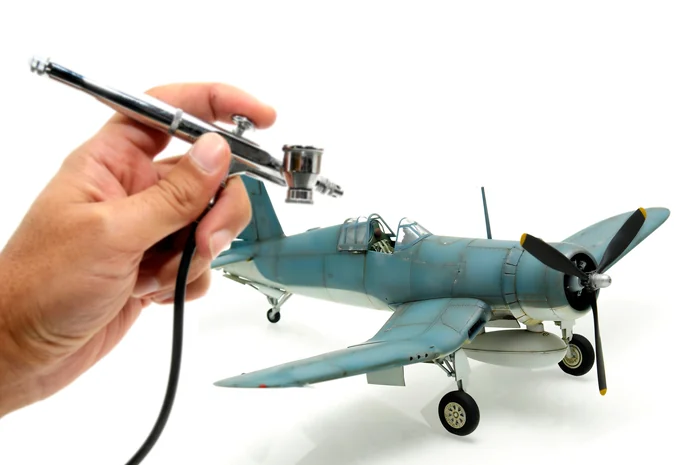
Adult consumers known as kidults are reviving toy demand through purchases of collectibles, nostalgic products, and new releases.
Tags
Operations Management by Cachon & Terwiesch
Competitiveness Strategy Productivity
Demand Planning
Forecasting
Operations and Supply Chain Management by Jacobs & Chase
Operations and Supply Chain Management The Core by Jacobs & Chase
OPS and Supply Chain Strategy
Operations Management in the Supply Chain by Schroeder & Goldstein
Operations Management by Stevenson
Strategy
Strategy and Sustainability
Supply Chain Management
Managing Operations Across the Supply Chain by Swink, Melnyk, Hartley & Cooper
Blog
Article
OM in the News
Higher Education
Though demand for physical toys has declined among today’s children, adults are reconnecting with their pasts and making more purchases for themselves.
These “kidults” are breathing new life in what was previously a contracting global market for toys. Some kidults seek collectibles from the past, while others are purchasing new.
1. Who are “kidults,” and how are toy companies designing toys to reach them?
Guidance: Kidults are toy purchasers over 18 years of age, though some sources drop the threshold to as young as those over 12.
Increasing demand extends throughout the G12 nations, with a seven percent rise ($27.5 billion total) in toy purchases across the first half of 2025, as compared to the previous year, seen in all of those countries.
In the United States, adults were the biggest spenders for toys in the first quarter of 2025, up 12 percent year-over-year, for a total of $1.8 billion.
Some companies, like Pop Mart, have designed products like its Labudu dolls specifically for Gen Z consumers. Other longtime standbys like Lego are finding that kidults are leaning into their products for comfort and fun.
2. What is driving kidults to purchase toys?
Guidance: Some of the purchases are driven by nostalgia. Buyers find a kind of peace in familiar things from childhood and a step back from today’s tech-heavy environment.
Similarly, some kidults purchase things like puzzles or Legos and use them to deal with the stress of daily life.
Others like to use the products for home décor or as conversation pieces.
Finally, collectors seek the excitement of new finds, linking themselves into a broader community for a sense of belonging, often fostered by social media.
3. How do tariffs affect the toy industry? How might kidult purchases help mitigate higher tariffs and ongoing trade wars?
Guidance: About 80 percent of toys sold in the U.S. come from China, and fluctuating tariffs have caused prices to rise or led importers to hold off on purchases, thus constricting inventory. Some retail businesses are looking for sources of supply from countries less likely to face heavy tariffs, while others are stocking less expensive toys so even with the tariffs, price points are not prohibitive.
To the extent that kidults have greater spending power than children, they may continue to buy and collect despite rising prices. Perhaps they are less price sensitive because they view their purchases as more “important” and are less likely to quickly tire of a toy, as often happens with children’s “must have” purchases. Also, some kidults are collecting vintage items whose prices may rise due to demand, but are not necessarily impacted by tariffs the way new toys are.
Author: Lisa M. Spencer
California State University, Fresno
Craig School of Business
Lecturer
Share:
Regional Page Available
It looks like you're outside the United States. Do you want to see your regional version of this page?
Education Topics
Education Topics/Courses
Education Topics/Courses/OM in the News
Education Topics/Courses/OM in the News/Title
Education Topics/Courses/OM in the News/Title/Operations and Supply Chain Management by Jacobs & Chase
Education Topics/Courses/OM in the News/Title/Operations and Supply Chain Management The Core by Jacobs & Chase
Education Topics/Courses/OM in the News/Title/Operations Management by Stevenson
Business Unit
Business Unit/Higher Education
Asset Format Type
Asset Format Type/Blog
Education Topics/Courses/OM in the News/Topic
Education Topics/Courses/OM in the News/Topic/OPS and Supply Chain Strategy
Education Topics/Courses/OM in the News/Topic/Strategy
Education Topics/Courses/OM in the News/Topic/Competitiveness Strategy Productivity
Education Topics/Courses/OM in the News/Topic/Strategy and Sustainability
Education Topics/Courses/OM in the News/Topic/Demand Planning
Education Topics/Courses/OM in the News/Title/Operations Management by Cachon & Terwiesch
Education Topics/Courses/OM in the News/Topic/Forecasting
Asset Format Type/Blog/Article
Education Topics/Courses/OM in the News/Title/Managing Operations Across the Supply Chain by Swink, Melnyk, Hartley & Cooper
Education Topics/Courses/OM in the News/Title/Operations Management in the Supply Chain by Schroeder & Goldstein
Education Topics/Courses/OM in the News/Topic/Supply Chain Management
highered
2026-11-17T16:23:42.014Z
highered Kidults Trend Toy Sales Upward Adult consumers known as kidults are reviving toy demand through purchases of collectibles, nostalgic products, and new releases. Kidults Trend Toy Sales Upward Adult consumers known as kidults are reviving toy demand through purchases of collectibles, nostalgic products, and new releases. Tags Operations Management by Cachon & Terwiesch Competitiveness Strategy Productivity Demand Planning Forecasting Operations and Supply Chain Management by Jacobs & Chase Operations and Supply Chain Management The Core by Jacobs & Chase OPS and Supply Chain Strategy Operations Management in the Supply Chain by Schroeder & Goldstein Operations Management by Stevenson Strategy Strategy and Sustainability Supply Chain Management Managing Operations Across the Supply Chain by Swink, Melnyk, Hartley & Cooper Blog Article OM in the News Higher Education More Article Type: Blog October 08, 2025 Share: Though demand for physical toys has declined among today’s children, adults are reconnecting with their pasts and making more purchases for themselves. These “kidults” are breathing new life in what was previously a contracting global market for toys. Some kidults seek collectibles from the past, while others are purchasing new. Video Spotlight: Adults make up a significant portion of the toy sales industry (Oct 29, 2024, WFAA) The Psychology of Adults Buying Toys (Aug 24, 2025, The Padawan Collector) Nostalgia Behind Trend Of Adults Buying Toys For Themselves (Dec 20, 2022, TODAY) This post is based on the Retail Wire article, How Much Will the Toy Retail Segment Rely on ‘Kidult’ Consumers in the Future?, by Nicholas Morine, September 1, 2025; the Forbes article, Toy Industry Resilient Despite Tariffs; It’s Game On For Holiday, by Joan Verdon, July 21, 2025; and the YouTube videos in the Spotlight. Image source: Luis Louro/Shutterstock Discussion Questions: 1. Who are “kidults,” and how are toy companies designing toys to reach them? Guidance: Kidults are toy purchasers over 18 years of age, though some sources drop the threshold to as young as those over 12. Increasing demand extends throughout the G12 nations, with a seven percent rise ($27.5 billion total) in toy purchases across the first half of 2025, as compared to the previous year, seen in all of those countries. In the United States, adults were the biggest spenders for toys in the first quarter of 2025, up 12 percent year-over-year, for a total of $1.8 billion. Some companies, like Pop Mart, have designed products like its Labudu dolls specifically for Gen Z consumers. Other longtime standbys like Lego are finding that kidults are leaning into their products for comfort and fun. 2. What is driving kidults to purchase toys? Guidance: Some of the purchases are driven by nostalgia. Buyers find a kind of peace in familiar things from childhood and a step back from today’s tech-heavy environment. Similarly, some kidults purchase things like puzzles or Legos and use them to deal with the stress of daily life. Others like to use the products for home décor or as conversation pieces. Finally, collectors seek the excitement of new finds, linking themselves into a broader community for a sense of belonging, often fostered by social media. 3. How do tariffs affect the toy industry? How might kidult purchases help mitigate higher tariffs and ongoing trade wars? Guidance: About 80 percent of toys sold in the U.S. come from China, and fluctuating tariffs have caused prices to rise or led importers to hold off on purchases, thus constricting inventory. Some retail businesses are looking for sources of supply from countries less likely to face heavy tariffs, while others are stocking less expensive toys so even with the tariffs, price points are not prohibitive. To the extent that kidults have greater spending power than children, they may continue to buy and collect despite rising prices. Perhaps they are less price sensitive because they view their purchases as more “important” and are less likely to quickly tire of a toy, as often happens with children’s “must have” purchases. Also, some kidults are collecting vintage items whose prices may rise due to demand, but are not necessarily impacted by tariffs the way new toys are. About the Author Lisa M. Spencer California State University, Fresno Craig School of Business Lecturer Lisa M. Spencer California State University, Fresno Craig School of Business Lecturer
Adult consumers known as kidults are reviving toy demand through purchases of collectibles, nostalgic products, and new releases.
Operations and Supply Chain Management by Jacobs & Chase, Operations and Supply Chain Management The Core by Jacobs & Chase, Operations Management by Stevenson, Higher Education, Blog, OPS and Supply Chain Strategy, OM in the News, Strategy, Competitiveness Strategy Productivity, Strategy and Sustainability, Demand Planning, Operations Management by Cachon & Terwiesch, Forecasting, Article, Managing Operations Across the Supply Chain by Swink, Melnyk, Hartley & Cooper, Operations Management in the Supply Chain by Schroeder & Goldstein, Supply Chain Management