Coca-Cola Looks to AI to Solve Orange Supply Crisis
Coca-Cola and an MIT-led consortium are using AI to combat citrus greening and protect orange supplies for products such as Minute Maid.
Tags
Operations Management by Cachon & Terwiesch
Operations and Supply Chain Management by Jacobs & Chase
Operations and Supply Chain Management The Core by Jacobs & Chase
Management of Quality
Managing Quality
OPS and Supply Chain Strategy
Quality and SPC
Quality Mgmt and 6S
Operations Management in the Supply Chain by Schroeder & Goldstein
Six Sigma Quality
Operations Management by Stevenson
Strategy
Strategy and Sustainability
Supply Chain Management
Managing Operations Across the Supply Chain by Swink, Melnyk, Hartley & Cooper
Work Design and Measurement
Blog
Article
OM in the News
Higher Education
Beverage giant Coca-Cola is using artificial intelligence (AI) to offset the spread of a devastating plant disease causing a major decrease in orange supply.
Coca-Cola’s Minute Maid brand has joined an industrial consortium—the MIT Generative AI Impact Consortium—which uses AI to help resolve ‘real-world’ problems that simultaneously help society. Experts from agritech, computer science, life sciences, and other groups have been engaged in the Consortium's first major initiative.
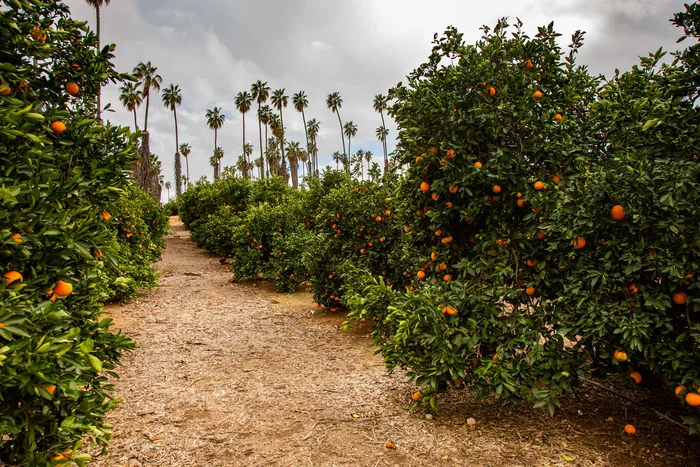
“Save the Orange” seeks to combat citrus greening, which threatens orange production. Citrus greening first emerged in Florida more than two decades ago. It has infected the majority of the state’s orange trees and triggered billions of dollars in losses to the global citrus industry. The disease is also found in other orange-producing countries such as Brazil.
Without improvements in detection, management and treatment, the global orange supply could disappear in the next 25 years, according to Coca-Cola.
The US once accounted for 45% of the world’s oranges, but now represents just 5% of production, according to USDA data. Coca-Cola is using AI and other emerging digital technologies across various functional areas to offset the orange blight, including R&D, marketing, inventory management, and supply chain procurement.
This post is based on the Supply Chain Dive article, Coca-Cola aims to help solve orange supply crunch with AI, by Christopher Doering, September 16, 2025, and the YouTube video in the Spotlight. Image source: The Image Party/Shutterstock
Discussion Questions:
1. What are ways in which a lower orange yield could impact beverage consumers?
Guidance: A lower supply of oranges—without an offset in lower demand—leads to inflationary pressures for citrus-based products. A lower supply of oranges also leads to higher costs for beverages makers, as costs must be allocated across fewer units.
Given a shortage, beverage producers may shift toward more artificial flavors and coloring rather than using all-natural inputs, leading to some consumers shifting to other beverage choices.
2. How can the supply chain function work to enhance orange production?
Guidance: Supply chain can work with R&D and engineering teams on the development of optimized ‘picking’ equipment. There are also opportunities to collaborate with university researchers across a range of complementary areas, such as supply chain and agriscience. For example, industry and universities can explore the combination of an earlier (or later) planting season combined with enhanced picking and/or packaging methods that lead to higher yields.
A third suggestion is for the supply chain function to engage with suppliers on ideas for increasing orange utilization, such as shorter storage cycles, ideas for insecticide and pesticides, or quicker processing times.
Author: James Kirby Easterling, DBA
Eastern Kentucky University
Program Director, Global Supply Chain Management
Associate Professor and Executive-in-Residence
Share:
Regional Page Available
It looks like you're outside the United States. Do you want to see your regional version of this page?
Education Topics
Education Topics/Courses
Education Topics/Courses/OM in the News
Education Topics/Courses/OM in the News/Title
Education Topics/Courses/OM in the News/Title/Operations and Supply Chain Management by Jacobs & Chase
Education Topics/Courses/OM in the News/Title/Operations and Supply Chain Management The Core by Jacobs & Chase
Education Topics/Courses/OM in the News/Title/Operations Management by Stevenson
Education Topics/Courses/OM in the News/Topic
Education Topics/Courses/OM in the News/Topic/Managing Quality
Business Unit
Business Unit/Higher Education
Education Topics/Courses/OM in the News/Topic/Quality and SPC
Asset Format Type
Asset Format Type/Blog
Education Topics/Courses/OM in the News/Topic/OPS and Supply Chain Strategy
Education Topics/Courses/OM in the News/Topic/Six Sigma Quality
Education Topics/Courses/OM in the News/Topic/Strategy
Education Topics/Courses/OM in the News/Topic/Management of Quality
Education Topics/Courses/OM in the News/Topic/Strategy and Sustainability
Education Topics/Courses/OM in the News/Topic/Work Design and Measurement
Education Topics/Courses/OM in the News/Title/Operations Management by Cachon & Terwiesch
Asset Format Type/Blog/Article
Education Topics/Courses/OM in the News/Topic/Quality Mgmt and 6S
Education Topics/Courses/OM in the News/Title/Managing Operations Across the Supply Chain by Swink, Melnyk, Hartley & Cooper
Education Topics/Courses/OM in the News/Title/Operations Management in the Supply Chain by Schroeder & Goldstein
Education Topics/Courses/OM in the News/Topic/Supply Chain Management
highered
2026-11-06T17:09:20.725Z
highered Coca-Cola Looks to AI to Solve Orange Supply Crisis Coca-Cola and an MIT-led consortium are using AI to combat citrus greening and protect orange supplies for products such as Minute Maid. Beverage giant Coca-Cola is using artificial intelligence (AI) to offset the spread of a devastating plant disease causing a major decrease in orange supply. Coca-Cola’s Minute Maid brand has joined an industrial consortium—the MIT Generative AI Impact Consortium—which uses AI to help resolve ‘real-world’ problems that simultaneously help society. Experts from agritech, computer science, life sciences, and other groups have been engaged in the Consortium's first major initiative. “Save the Orange” seeks to combat citrus greening, which threatens orange production. Citrus greening first emerged in Florida more than two decades ago. It has infected the majority of the state’s orange trees and triggered billions of dollars in losses to the global citrus industry. The disease is also found in other orange-producing countries such as Brazil. Without improvements in detection, management and treatment, the global orange supply could disappear in the next 25 years, according to Coca-Cola. The US once accounted for 45% of the world’s oranges, but now represents just 5% of production, according to USDA data. Coca-Cola is using AI and other emerging digital technologies across various functional areas to offset the orange blight, including R&D, marketing, inventory management, and supply chain procurement. Video Spotlight: Decimated by disease, Florida's orange groves face new threats (Mar 24, 2025, CBS Evening News) This post is based on the Supply Chain Dive article, Coca-Cola aims to help solve orange supply crunch with AI, by Christopher Doering, September 16, 2025, and the YouTube video in the Spotlight. Image source: The Image Party/Shutterstock Discussion Questions: 1. What are ways in which a lower orange yield could impact beverage consumers? Guidance: A lower supply of oranges—without an offset in lower demand—leads to inflationary pressures for citrus-based products. A lower supply of oranges also leads to higher costs for beverages makers, as costs must be allocated across fewer units. Given a shortage, beverage producers may shift toward more artificial flavors and coloring rather than using all-natural inputs, leading to some consumers shifting to other beverage choices. 2. How can the supply chain function work to enhance orange production? Guidance: Supply chain can work with R&D and engineering teams on the development of optimized ‘picking’ equipment. There are also opportunities to collaborate with university researchers across a range of complementary areas, such as supply chain and agriscience. For example, industry and universities can explore the combination of an earlier (or later) planting season combined with enhanced picking and/or packaging methods that lead to higher yields. A third suggestion is for the supply chain function to engage with suppliers on ideas for increasing orange utilization, such as shorter storage cycles, ideas for insecticide and pesticides, or quicker processing times. James Kirby Easterling, DBA Eastern Kentucky University Program Director, Global Supply Chain Management Associate Professor and Executive-in-Residence
Coca-Cola and an MIT-led consortium are using AI to combat citrus greening and protect orange supplies for products such as Minute Maid.
Operations and Supply Chain Management by Jacobs & Chase, Operations and Supply Chain Management The Core by Jacobs & Chase, Operations Management by Stevenson, Managing Quality, Higher Education, Quality and SPC, Blog, OPS and Supply Chain Strategy, Six Sigma Quality, OM in the News, Strategy, Management of Quality, Strategy and Sustainability, Work Design and Measurement, Operations Management by Cachon & Terwiesch, Article, Quality Mgmt and 6S, Managing Operations Across the Supply Chain by Swink, Melnyk, Hartley & Cooper, Operations Management in the Supply Chain by Schroeder & Goldstein, Supply Chain Management