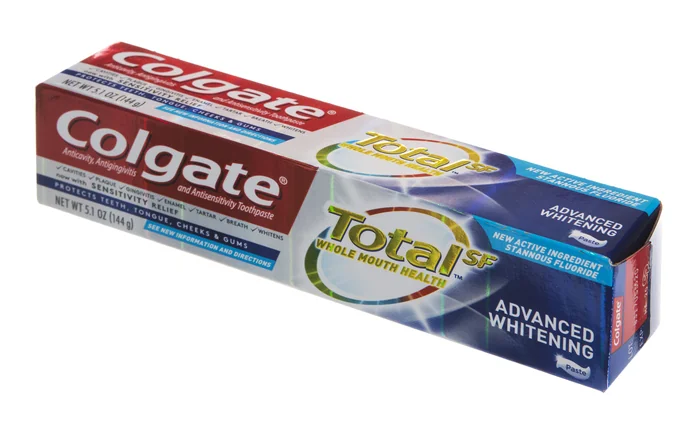
Colgate-Palmolive is investing up to $300 million to simplify operations, improve agility, and offset tariffs and material costs.
Tags
Operations Management by Cachon & Terwiesch
Global Sourcing & Procurement
Operations and Supply Chain Management by Jacobs & Chase
Operations and Supply Chain Management The Core by Jacobs & Chase
JIT and Lean Ops
Lean Operations and the Tps
Lean Supply Chains
Lean Systems
Lean Thinking and Lean Systems
Operations Management in the Supply Chain by Schroeder & Goldstein
Sourcing
Sourcing and Supply Management
Operations Management by Stevenson
Supply Chain Management
Managing Operations Across the Supply Chain by Swink, Melnyk, Hartley & Cooper
Blog
Article
OM in the News
Higher Education
Colgate-Palmolive is a leading consumer goods manufacturer known for iconic brands such as Murphy’s Oil Soap, Hill’s Pet Nutrition, and Speed Stick deodorant.
Colgate-Palmolive primarily competes in four consumer good industries: oral health, pet health, personal care, and home care. The company has invested in global supply chain optimization as part of a three-year, $200-$300 million productivity program. The initiative includes streamlining operations to reduce overhead and increase efficiency in the face of rising costs due to tariffs and higher raw and packaging material.
Consumer good manufacturers often face difficulty in raising prices due to a wide range of competing alternative brands/products.
Colgate-Palmolive’s CEO believes this investment will navigate that challenge, leading to enhanced supply chain breadth, resiliency and agility. The company will be able to more quickly respond to changes in consumer preferences, such as the shift in demand from multi-pack to single-pack purchases in response to tighter personal budgets.
This post is based on the Supply Chain Dive article, Colgate-Palmolive launches up to $300M supply chain revamp, by Antone Gonsalves, August 26, 2025, and the YouTube video in the Spotlight. Image source: McGraw-Hill Education, Editorial Image, LLC Photographer
Discussion Questions:
1. Companies can optimize their supply chain in lots of ways. Give 3-4 examples of possible optimization initiatives that can lead to improved customer service and/or lower total cost.
Guidance: Here are two suggested initiatives.
1. Advanced warehouse management systems (WMS) that can assist with quicker dispositioning of supplier deliveries and customer shipments.
2. More collaborative relationships with upstream suppliers that can lead to cost reductions (such as substituting alternative materials, mutually-acceptable changes in specifications, etc.) or shared inventory management responsibilities.
2. How can the supply chain function work with other internal departments to enhance optimization initiatives?
Guidance: One suggestion is to develop shared objectives with the internal marketing/sales team to align supply and demand capabilities, which lessens the dependency on higher levels of inventory.
A second suggestion is to engage with internal engineering leaders to invest in technologies that expand manufacturing flexibility. Expanding manufacturing capabilities can reduce dependency on any one facility.
Engine and structural-part shortages are forcing Embraer to reduce planned jet deliveries as turbofan demand and recalls strain supply.
Regional Page Available
It looks like you're outside the United States. Do you want to see your regional version of this page?
Education Topics
Education Topics/Courses
Education Topics/Courses/OM in the News
Education Topics/Courses/OM in the News/Title
Education Topics/Courses/OM in the News/Title/Operations and Supply Chain Management by Jacobs & Chase
Education Topics/Courses/OM in the News/Title/Operations and Supply Chain Management The Core by Jacobs & Chase
Education Topics/Courses/OM in the News/Topic
Education Topics/Courses/OM in the News/Topic/Global Sourcing & Procurement
Education Topics/Courses/OM in the News/Title/Operations Management by Stevenson
Education Topics/Courses/OM in the News/Topic/Lean Thinking and Lean Systems
Business Unit
Business Unit/Higher Education
Asset Format Type
Asset Format Type/Blog
Education Topics/Courses/OM in the News/Topic/Lean Systems
Education Topics/Courses/OM in the News/Topic/Sourcing
Education Topics/Courses/OM in the News/Topic/Lean Operations and the Tps
Education Topics/Courses/OM in the News/Topic/Sourcing and Supply Management
Education Topics/Courses/OM in the News/Title/Operations Management by Cachon & Terwiesch
Asset Format Type/Blog/Article
Education Topics/Courses/OM in the News/Topic/Lean Supply Chains
Education Topics/Courses/OM in the News/Title/Managing Operations Across the Supply Chain by Swink, Melnyk, Hartley & Cooper
Education Topics/Courses/OM in the News/Title/Operations Management in the Supply Chain by Schroeder & Goldstein
Education Topics/Courses/OM in the News/Topic/JIT and Lean Ops
Education Topics/Courses/OM in the News/Topic/Supply Chain Management
highered
2026-11-06T17:07:51.053Z
highered Colgate-Palmolive Continues Supply Chain Optimization Initiatives Colgate-Palmolive is investing up to $300 million to simplify operations, improve agility, and offset tariffs and material costs. Colgate-Palmolive is a leading consumer goods manufacturer known for iconic brands such as Murphy’s Oil Soap, Hill’s Pet Nutrition, and Speed Stick deodorant. Colgate-Palmolive primarily competes in four consumer good industries: oral health, pet health, personal care, and home care. The company has invested in global supply chain optimization as part of a three-year, $200-$300 million productivity program. The initiative includes streamlining operations to reduce overhead and increase efficiency in the face of rising costs due to tariffs and higher raw and packaging material. Consumer good manufacturers often face difficulty in raising prices due to a wide range of competing alternative brands/products. Colgate-Palmolive’s CEO believes this investment will navigate that challenge, leading to enhanced supply chain breadth, resiliency and agility. The company will be able to more quickly respond to changes in consumer preferences, such as the shift in demand from multi-pack to single-pack purchases in response to tighter personal budgets. Video Spotlight: Restructuring Supply Chain Strategies : The Simulation Solution (May 28, 2024, IIPMR) This post is based on the Supply Chain Dive article, Colgate-Palmolive launches up to $300M supply chain revamp, by Antone Gonsalves, August 26, 2025, and the YouTube video in the Spotlight. Image source: McGraw-Hill Education, Editorial Image, LLC Photographer Discussion Questions: 1. Companies can optimize their supply chain in lots of ways. Give 3-4 examples of possible optimization initiatives that can lead to improved customer service and/or lower total cost. Guidance: Here are two suggested initiatives. 1. Advanced warehouse management systems (WMS) that can assist with quicker dispositioning of supplier deliveries and customer shipments. 2. More collaborative relationships with upstream suppliers that can lead to cost reductions (such as substituting alternative materials, mutually-acceptable changes in specifications, etc.) or shared inventory management responsibilities. 2. How can the supply chain function work with other internal departments to enhance optimization initiatives? Guidance: One suggestion is to develop shared objectives with the internal marketing/sales team to align supply and demand capabilities, which lessens the dependency on higher levels of inventory. A second suggestion is to engage with internal engineering leaders to invest in technologies that expand manufacturing flexibility. Expanding manufacturing capabilities can reduce dependency on any one facility. James Kirby Easterling, DBA Eastern Kentucky University Program Director, Global Supply Chain Management Associate Professor and Executive-in-Residence
Colgate-Palmolive is investing up to $300 million to simplify operations, improve agility, and offset tariffs and material costs.
Operations and Supply Chain Management by Jacobs & Chase, Operations and Supply Chain Management The Core by Jacobs & Chase, Global Sourcing & Procurement, Operations Management by Stevenson, Lean Thinking and Lean Systems, Higher Education, Blog, OM in the News, Lean Systems, Sourcing, Lean Operations and the Tps, Sourcing and Supply Management, Operations Management by Cachon & Terwiesch, Article, Lean Supply Chains, Managing Operations Across the Supply Chain by Swink, Melnyk, Hartley & Cooper, Operations Management in the Supply Chain by Schroeder & Goldstein, JIT and Lean Ops, Supply Chain Management