
McDonald's Forecast Error on Snack Wraps
McDonald's underestimated demand for returning Snack Wraps, causing lettuce shortages and temporary product changes during the rollout.
- Operations Management by Cachon & Terwiesch
- Demand Planning
- Design of Products and Services
- Forecasting
- Global Sourcing & Procurement
- Operations and Supply Chain Management by Jacobs & Chase
- Operations and Supply Chain Management The Core by Jacobs & Chase
- New Product Development
- Product and Svc Design
- Product Design
- Product Process Innovation
- Operations Management in the Supply Chain by Schroeder & Goldstein
- Operations Management by Stevenson
- Managing Operations Across the Supply Chain by Swink, Melnyk, Hartley & Cooper
- Blog
- Article
- OM in the News
- Higher Education
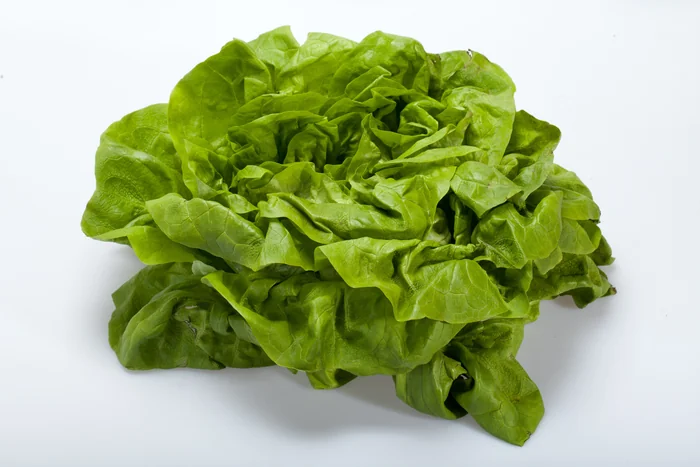
After nine years, McDonald’s snack wraps are back.
In the initial rollout, lettuce supply shortages caused by forecasting errors forced restaurants to do some quick, albeit temporary, product redesigns.
Video Spotlight:
- Snack wraps are back, why are they so popular? (July 14, 2025, WRAL)
- Fan favorite McDonald’s snack wraps are back | Morning in America (July 10, 2025, NewsNation)
This post is based on The Independent article, Return of McDonald’s Snack Wrap causes lettuce supply crunch, by Josh Marcus, July 18, 2025, and the YouTube videos in the Spotlight. Image source: wjarek/123RF
Discussion Questions:
1. Why did McDonald’s stop offering the snack wrap in 2016? What is different now, that makes it possible or desirable to reintroduce the menu item?
Guidance: An important part of McDonald’s strategy is responsiveness or short processing time. Though the snack wrap had been popular, the restaurant chain streamlined its menu to reduce lengthy customer wait times, particularly in the drive through. Having a larger, more diverse menu typically makes it harder to maximize speed and efficiency. A smaller, simpler menu can help reduce costs and speed service.
Furthermore, the snack wrap includes ingredients, such as the tortilla and grated cheese, which were not used across other menu items, adding complexity to inventory management and purchasing as well as in the food prep areas of the restaurants.
McDonald’s has now devised a way to make the snack wrap in less than 30 seconds, and it felt that year-over-year sagging sales might be boosted by the return of a customer favorite. In addition, competitors like Popeye’s also introduced a chicken wrap, so McDonald’s may have felt it needed its own, so as to not lose further sales.
2. How was the lettuce shortage dealt with in the short-term when the snack wrap made its recent comeback?
Guidance: It can be hard to forecast for items that are new or which haven't been offered in a long time. With regular menu items, McDonald’s can look at historical demand for help in creating forecasts for future periods. It can also use “dynamic” forecasting, taking into account factors like weather, local events, or customer preferences to add further precision to scheduling and planning in the shorter term.
However, with a brand new item or one that has not been offered for a long time, it can be hard to know just how many people will want to buy it, especially at the snack wrap’s $2.99 price point. Though less expensive than similar offerings at Popeye’s or other competitors, it is definitely a smaller snack item, not a large burger.
Cost conscious lower and middle income customers have been pulling back lately on fast food purchases from McDonald’s, so it was hard to predict if they would buy the snack wrap or in what quantities. Would a customer just buy one as a snack, or would they buy multiple wraps to make a whole meal?
When the snack wraps launched July 10 and led to a lettuce shortage, restaurants were told not to put lettuce on some other products, like McChicken sandwiches, so the snack wrap launch could move forward unhindered.
With this temporary solution in place, McDonald’s worked to quickly increase restaurants' lettuce inventories. That wasn't a guaranteed outcome, because McDonald’s has such large purchasing needs that it is not always easy to source enough identical ingredients to keep its food consistent from one restaurant to the next.
As a side note, McDonald's hasn't reported the impact of not putting lettuce on other products.

