
Video Post: Kyushu Lexus Applies Lean to its Painting Process
The Lexus Kyushu paint shop combines lean processes and robotic technology to produce consistent, high-quality vehicle finishes.
- Operations Management by Cachon & Terwiesch
- Intro to Processes
- Operations and Supply Chain Management by Jacobs & Chase
- Operations and Supply Chain Management The Core by Jacobs & Chase
- JIT and Lean Ops
- Lean Operations and the Tps
- Lean Supply Chains
- Lean Systems
- Lean Thinking and Lean Systems
- Manufacturing and Svc Process Structures
- Manufacturing Processes
- Process Selection
- Process Selection and Facility Layout
- Operations Management in the Supply Chain by Schroeder & Goldstein
- Operations Management by Stevenson
- Managing Operations Across the Supply Chain by Swink, Melnyk, Hartley & Cooper
- Blog
- Article
- OM in the News
- Higher Education
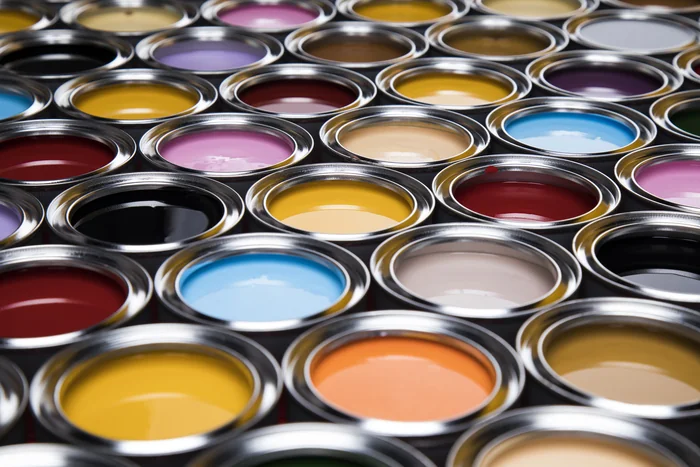
This video takes the viewer inside the Lexus Kyushu Plant paint shop in Japan for an up-close look at the lean processes and robotic technology used to create a high quality finish on several of its popular models.
Video Spotlight:
- Engineer explains Toyota/Lexus paint process in Japan (Feb 7, 2025, Automotive Press)
This post is based on the YouTube video in the Spotlight. Image source: janpietruszk/123RF
Discussion Questions:
1. What is the capacity of the painting processes described in the video?
Guidance: The Kyushu Lexus factory which the video depicts makes a variety of popular models and can paint 200,000 cars per year. An adjacent facility called “Factory Number One” can process an additional 230,000 cars per year, bringing the total annual paint capacity to 430,000 cars.
2. How many different colors are used at the Kyushu factory? What has Lexus done to make the painting changeover time compatible with its just-in-time system?
Guidance: The Kyushu plant can create cars in 13 different colors. For many companies, changing models, colors, flavors, or sizes can result in significant downtime and may necessitate long production runs to compensate. The ideal lot size for a true just-in-time system is one unit. That means that a company can efficiently manufacture a lot size of one, making each unit on an as-needed basis, regardless of the product specifications.
At Kyushu, Lexus paints each car based on customer demand. It needs to be able to switch from one color to the next without costly or time-consuming set-ups.
In this remarkable system, there is zero downtime during the changeover, because there is no need to clean the robotic equipment when changing from one color to the next, nor are separate painting booths required. After one car is painted, a unit consisting of a special paint cartridge and a paint dispensing head is swapped out with another one in a new color. This process is facilitated by using a downdraft booth or air curtain which allows cars to sit about ten feet apart on a moving conveyor, yet not be contaminated by the different colors of paint being used on vehicles ahead of and behind them.
Though there are no physical partitions, the airflow from ceiling to floor carries the paint particles downwards in such a way that they do not touch other nearby vehicles. This critical technology protects the quality of each paint job, because even a minute amount of paint contamination from one car to the next would lead to rework.
3. How have the robots been programmed to paint the cars? What impact may this have on quality?
Guidance: The robots have been trained to mimic the movements of a person painting a car, utilizing the same speed, angles, and distances that an experienced human worker would. This not only reduces the need for workers, but it may also improve the consistency of the process. Whereas there may be some minor variations between the work of one person versus the next due to training, experience, fatigue, or a variety of other random factors, the robot can be programmed to do the work exactly the same way every time.
4. How is the preventive maintenance schedule determined for changing the covers over the robotic arms?
Guidance: There are three main ways to determine when to do preventive maintenance: actual usage, the passage of time, or as a result of inspection. The robotic arms are covered to make sure the robots perform flawlessly and to prevent paint from getting inside the six axes of the arms. The covers are divided into three sections. The closer the cover is to the car, the dirtier it will become.
The part of the cover closest to the car is changed every shift (based on actual usage) to avoid having it contaminate cars. The middle portion of the cover is changed based on the passage of time, in this case, monthly. The upper portion seldom gets dirty and is changed based on the passage of time. Three times per year they are replaced during the shutdown period for the line. Interestingly, although many of Toyota’s operations are standardized, the changing of the covers may be done at different frequencies at different factories.

