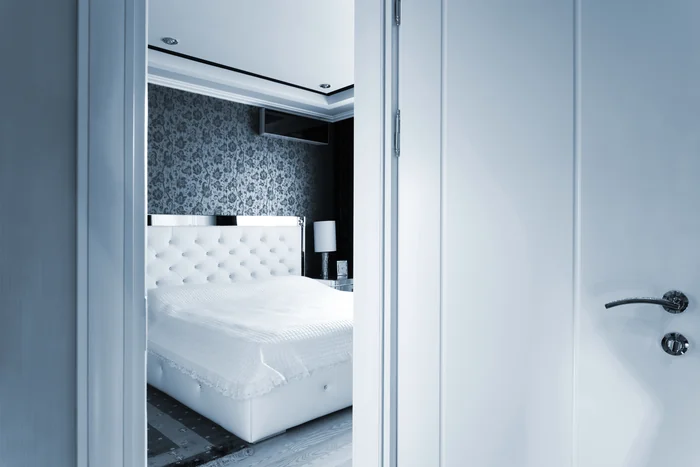
This post is based on the MSN article, Why your hotel has five stars—but zero closet space, by Mark Ellwood, February 21, 2025 and the YouTube video in the Spotlight. Image source: terekhov igor/Shutterstock
Discussion Questions:
1. How do design and layout changes reflect hotel strategy or cost-cutting measures?
Guidance: Hotels, like any other type of business, should constantly be evaluating their offerings from both an operational and a functional standpoint. Many of these changes have been evolving over the last five to ten years. Even higher-end hotels are looking for ways to improve cost-effectiveness and efficient operations.
Smaller guest rooms allow hotels to increase capacity (as measured by number of guestrooms) while keeping the hotel footprint the same. Creating larger lobby areas where guests can work means hotel rooms can be smaller with less desk space. Changing room layout and replacing closets with wall hooks can save about $800 per room in addition to saving space. Construction is simplified and can be faster as well.
Removing furniture further saves on both space and money. With wall-mounted flat-screen TV’s, a large armoire or dresser is no longer needed. Carpets have been replaced by hard-surface floorings, which tend to be longer lasting and easier to clean. With wall-mounted TV’s and no carpets, however, hotels may spend more upfront on soundproofing to maintain a quiet room environment.
2. How do hotels test design changes?
Guidance: To make sure that layouts and features are functional and not just aesthetically pleasing, major hotel chains build room prototypes. Guests are invited to stay and provide feedback prior to finalizing a design. This may involve loyal members of the hotel’s own chain, or it may involve inviting guests from competing chains to get a different point of view.
3. How do design and layout changes mirror socio-cultural changes?
Guidance: Today’s business travelers often opt for business casual and may not have as many formal pieces of attire to hang in a closet. In addition, many travelers now prefer to leave clothes in their suitcases rather than transferring them to drawers or closets, especially for short stays. For those who still do need to hang things, hotels are looking at much simpler space-saving options like wall hooks, hoping that these will suffice. Also, some designers are betting that today’s travelers are more interested in modern, sleek looking design than rooms with a lot of storage space.
Author: Lisa M. Spencer
California State University, Fresno
Craig School of Business
Lecturer
Share:
Regional Page Available
It looks like you're outside the United States. Do you want to see your regional version of this page?
Education Topics
Education Topics/Courses
Education Topics/Courses/OM in the News
Education Topics/Courses/OM in the News/Topic
Education Topics/Courses/OM in the News/Topic/Service Processes
Education Topics/Courses/OM in the News/Title
Education Topics/Courses/OM in the News/Title/Operations and Supply Chain Management by Jacobs & Chase
Education Topics/Courses/OM in the News/Topic/Process Design and Analysis
Education Topics/Courses/OM in the News/Title/Operations and Supply Chain Management The Core by Jacobs & Chase
Education Topics/Courses/OM in the News/Title/Operations Management by Stevenson
Business Unit
Business Unit/Higher Education
Asset Format Type
Asset Format Type/Blog
Education Topics/Courses/OM in the News/Topic/OPS and Supply Chain Management
Education Topics/Courses/OM in the News/Topic/Process Selection
Education Topics/Courses/OM in the News/Topic/Process Selection and Facility Layout
Education Topics/Courses/OM in the News/Topic/Manufacturing and Svc Process Structures
Education Topics/Courses/OM in the News/Topic/Intro to Processes
Education Topics/Courses/OM in the News/Topic/Service Process Design
Education Topics/Courses/OM in the News/Topic/Lean Operations and the Tps
Education Topics/Courses/OM in the News/Title/Operations Management by Cachon & Terwiesch
Education Topics/Courses/OM in the News/Topic/Product and Svc Design
Asset Format Type/Blog/Article
Education Topics/Courses/OM in the News/Title/Managing Operations Across the Supply Chain by Swink, Melnyk, Hartley & Cooper
Education Topics/Courses/OM in the News/Title/Operations Management in the Supply Chain by Schroeder & Goldstein
Education Topics/Courses/OM in the News/Topic/Managing Processes and Capacity
highered
2026-11-17T16:23:41.929Z
highered Trend: Increase Hotel Capacity by Downsizing Rooms Hotels are reducing room storage to increase capacity, lower costs, and create a modern look, but the changes may frustrate guests. Trend: Increase Hotel Capacity by Downsizing Rooms Hotels are reducing room storage to increase capacity, lower costs, and create a modern look, but the changes may frustrate guests. Tags Operations Management by Cachon & Terwiesch Intro to Processes Operations and Supply Chain Management by Jacobs & Chase Operations and Supply Chain Management The Core by Jacobs & Chase Lean Operations and the Tps Managing Processes and Capacity Manufacturing and Svc Process Structures OPS and Supply Chain Management Process Design and Analysis Process Selection Process Selection and Facility Layout Product and Svc Design Operations Management in the Supply Chain by Schroeder & Goldstein Service Process Design Service Processes Operations Management by Stevenson Managing Operations Across the Supply Chain by Swink, Melnyk, Hartley & Cooper Blog Article OM in the News Higher Education More Article Type: Blog March 26, 2025 Share: Hotels are slimming down storage space to save money and look more fashionable. Guests, however, may not appreciate these changes. Video Spotlight: How Do Hotels Design the Ideal Room? (Oct 1, 2015, The Wall Street Journal) This post is based on the MSN article, Why your hotel has five stars—but zero closet space, by Mark Ellwood, February 21, 2025 and the YouTube video in the Spotlight. Image source: terekhov igor/Shutterstock Discussion Questions: 1. How do design and layout changes reflect hotel strategy or cost-cutting measures? Guidance: Hotels, like any other type of business, should constantly be evaluating their offerings from both an operational and a functional standpoint. Many of these changes have been evolving over the last five to ten years. Even higher-end hotels are looking for ways to improve cost-effectiveness and efficient operations. Smaller guest rooms allow hotels to increase capacity (as measured by number of guestrooms) while keeping the hotel footprint the same. Creating larger lobby areas where guests can work means hotel rooms can be smaller with less desk space. Changing room layout and replacing closets with wall hooks can save about $800 per room in addition to saving space. Construction is simplified and can be faster as well. Removing furniture further saves on both space and money. With wall-mounted flat-screen TV’s, a large armoire or dresser is no longer needed. Carpets have been replaced by hard-surface floorings, which tend to be longer lasting and easier to clean. With wall-mounted TV’s and no carpets, however, hotels may spend more upfront on soundproofing to maintain a quiet room environment. 2. How do hotels test design changes? Guidance: To make sure that layouts and features are functional and not just aesthetically pleasing, major hotel chains build room prototypes. Guests are invited to stay and provide feedback prior to finalizing a design. This may involve loyal members of the hotel’s own chain, or it may involve inviting guests from competing chains to get a different point of view. 3. How do design and layout changes mirror socio-cultural changes? Guidance: Today’s business travelers often opt for business casual and may not have as many formal pieces of attire to hang in a closet. In addition, many travelers now prefer to leave clothes in their suitcases rather than transferring them to drawers or closets, especially for short stays. For those who still do need to hang things, hotels are looking at much simpler space-saving options like wall hooks, hoping that these will suffice. Also, some designers are betting that today’s travelers are more interested in modern, sleek looking design than rooms with a lot of storage space. About the Author Lisa M. Spencer California State University, Fresno Craig School of Business Lecturer Lisa M. Spencer California State University, Fresno Craig School of Business Lecturer
Hotels are reducing room storage to increase capacity, lower costs, and create a modern look, but the changes may frustrate guests.
Service Processes, Operations and Supply Chain Management by Jacobs & Chase, Process Design and Analysis, Operations and Supply Chain Management The Core by Jacobs & Chase, Operations Management by Stevenson, Higher Education, Blog, OPS and Supply Chain Management, Process Selection, OM in the News, Process Selection and Facility Layout, Manufacturing and Svc Process Structures, Intro to Processes, Service Process Design, Lean Operations and the Tps, Operations Management by Cachon & Terwiesch, Product and Svc Design, Article, Managing Operations Across the Supply Chain by Swink, Melnyk, Hartley & Cooper, Operations Management in the Supply Chain by Schroeder & Goldstein, Managing Processes and Capacity