
Mars and New Zealand Farming Partners Invest in Sustainability
Mars and Fonterra are investing in tools and incentives to help 2,000 New Zealand dairy farmers reduce carbon emissions.
- Operations Management by Cachon & Terwiesch
- Design of Products and Services
- Global Sourcing & Procurement
- Operations and Supply Chain Management by Jacobs & Chase
- Operations and Supply Chain Management The Core by Jacobs & Chase
- Logistics Mgmt
- New Product Development
- Product and Svc Design
- Product Design
- Operations Management in the Supply Chain by Schroeder & Goldstein
- Sourcing
- Operations Management by Stevenson
- Strategy and Sustainability
- Supply Chain Management
- Sustainable OM
- Managing Operations Across the Supply Chain by Swink, Melnyk, Hartley & Cooper
- Work Design and Measurement
- Blog
- Article
- OM in the News
- Higher Education
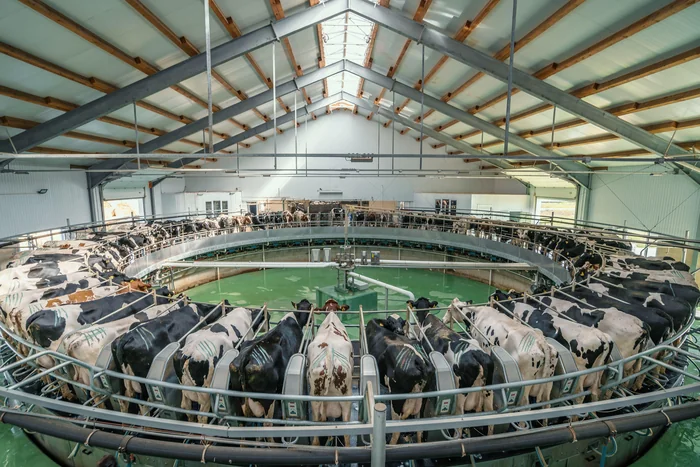
Mars, the confectionery giant that makes 3 Musketeers, M&M’s, Snickers, and many other beloved brands, recently announced an initiative with dairy co-operative Fonterra to fund ongoing sustainable farming practices.
Mars is investing $27 million to reduce dairy farming carbon emissions, half of which will be used to fund sustainability-focused tools and technology for 2,000 farmers. Farmers who achieve sustainability targets will receive a financial incentive based on carbon emissions reduction. This initiative is parts of Mars’ larger Moo’ving Dairy Forward initiative launched in 2024, to help the company cut down on emissions.
Mars has created a SMART goal of reducing emissions against a 2015 baseline, and aims to reduce dairy-based sourcing emissions by more than 150,000 metric tons by 2030. Mars has over 200,000 cows supporting its dairy business, which is the fourth-largest contributor to its carbon footprint.
Founded in 2001, Fonterra is a co-operative dairy company owned by more than 11,000 New Zealand dairy farmers. Fonterra focuses on protecting New Zealand’s waterways, soils, climate and biodiversity.
Since 2022, Fonterra has worked with Mars’ confectionary rival, Nestle, to reduce on-farm emissions by focusing on the use of new tools, systems, and technologies, as well as financial incentives for farmers who hit sustainability goals.
Video Spotlight:
- Inside Mars Inc.'s Plan to Cut Emissions 50% by 2030 (Jan 1, 2025, Trellis Group)
This post is based on the Supply Chain Dive article, Mars pledges $27M to slash dairy emissions, by Kelly Stroh, February 27, 2025; the Fonterra website; and the YouTube video in the Spotlight. Image source: DedMityay/Alamy Stock Photo
Discussion Questions:
1. What are some major takeaways from the article?
Guidance: Companies should create SMART goals for emissions reduction, meaning specific, measurable, attainable, realistic and time-bound goals.
Emissions reductions require significant investments in terms of both money and commitment.
It doesn’t have to be ‘profits’ or ‘planet’—well designed substantiality initiatives can help achieve both!
Large farming cooperatives wield significant negotiating power in partnering with food giants.
2. What are some possible supply chain implications based on Mars' enhanced sustainability innovations?
Guidance: One implication is possible reductions in disposal of waste material, with logistical implications including packaging, transportation, and inventory management.
Another implication is procurement of new equipment, tools, and systems to support sustainability goals.
A third implication is implementation of new supply chain key performance indicators (KPIs) to objectively assess progress.

