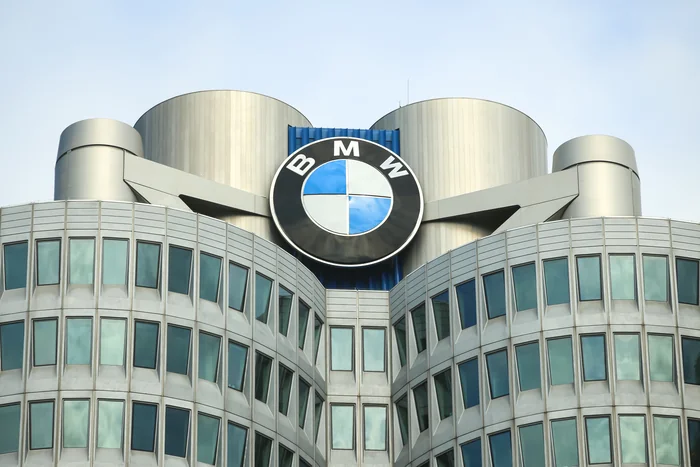
BMW is using electric trucks and upgraded battery facilities to reduce transport emissions and expand sustainable EV production in Germany.
Tags
Operations Management by Cachon & Terwiesch
Competitiveness Strategy Productivity
Global Logistics
Operations and Supply Chain Management by Jacobs & Chase
Operations and Supply Chain Management The Core by Jacobs & Chase
Location Logistics and Distribution
Logistics Mgmt
Logistics Distribution Transportation
OPS and Supply Chain Strategy
Process Improvement
Operations Management in the Supply Chain by Schroeder & Goldstein
Operations Management by Stevenson
Strategy
Strategy and Sustainability
Supply Chain Management
Managing Operations Across the Supply Chain by Swink, Melnyk, Hartley & Cooper
Blog
Article
OM in the News
Higher Education
BMW has adopted a multi-faceted approach to sustainable transportation and manufacturing via electric vehicles.
First, two fully electric trucks are now used to transport components for battery production at its Leipzig, Germany plant, saving nine tons of CO2 emission annually.
Second, assembly halls were converted into advanced manufacturing spaces for high-voltage batteries critical for EV powertrain production.
Third, eco-friendly technologies and alternative fuels are being explored at the Munich site.
Altogether, BMW is on track to achieve a 40% reduction in CO2 emissions across its entire vehicle lifecycle by 2030, compared to 2019 levels.
1. What is a sustainability strategy and what is a challenge for operations management in implementation?
Guidance: A sustainability strategy is a roadmap for an organization to achieve its sustainability goals in three areas: economic, environmental, and social. A challenge for operations management is the scope of a sustainability strategy, and determining which sustainability goals have priority.
2. What is BMW’s sustainable manufacturing strategy?
Guidance: BMW’s sustainable manufacturing strategy has a focus on electric vehicle (EV) production with advanced spaces in its Leipzig plant to make 300,000 high-voltage batteries for EVs annually. Additionally, BMW is testing eco-friendly technologies and alternative fuels at its Munich site.
3. What is BMW’s sustainable logistics strategy?
Guidance: BMW’s sustainable logistics strategy involves using two electric trucks to move components for battery production from the logistics center to its Leipzig plant, covering 62 miles per truck per day with zero local CO2 emissions.
Rising e-commerce returns are pushing retailers to redesign reverse logistics for inspection, repacking, resale, recycling, and disposal.
Regional Page Available
It looks like you're outside the United States. Do you want to see your regional version of this page?
Education Topics
Education Topics/Courses
Education Topics/Courses/OM in the News
Education Topics/Courses/OM in the News/Title
Education Topics/Courses/OM in the News/Title/Operations and Supply Chain Management by Jacobs & Chase
Education Topics/Courses/OM in the News/Title/Operations and Supply Chain Management The Core by Jacobs & Chase
Education Topics/Courses/OM in the News/Title/Operations Management by Stevenson
Education Topics/Courses/OM in the News/Topic
Education Topics/Courses/OM in the News/Topic/Process Improvement
Business Unit
Business Unit/Higher Education
Asset Format Type
Asset Format Type/Blog
Education Topics/Courses/OM in the News/Topic/Logistics Mgmt
Education Topics/Courses/OM in the News/Topic/OPS and Supply Chain Strategy
Education Topics/Courses/OM in the News/Topic/Strategy
Education Topics/Courses/OM in the News/Topic/Competitiveness Strategy Productivity
Education Topics/Courses/OM in the News/Topic/Strategy and Sustainability
Education Topics/Courses/OM in the News/Topic/Logistics Distribution Transportation
Education Topics/Courses/OM in the News/Title/Operations Management by Cachon & Terwiesch
Education Topics/Courses/OM in the News/Topic/Location Logistics and Distribution
Education Topics/Courses/OM in the News/Topic/Global Logistics
Asset Format Type/Blog/Article
Education Topics/Courses/OM in the News/Title/Managing Operations Across the Supply Chain by Swink, Melnyk, Hartley & Cooper
Education Topics/Courses/OM in the News/Title/Operations Management in the Supply Chain by Schroeder & Goldstein
Education Topics/Courses/OM in the News/Topic/Supply Chain Management
highered
2026-11-17T19:38:04.218Z
highered EV Trucks Deliver to BMW's EV Component Plant BMW is using electric trucks and upgraded battery facilities to reduce transport emissions and expand sustainable EV production in Germany. EV Trucks Deliver to BMW's EV Component Plant BMW is using electric trucks and upgraded battery facilities to reduce transport emissions and expand sustainable EV production in Germany. Tags Operations Management by Cachon & Terwiesch Competitiveness Strategy Productivity Global Logistics Operations and Supply Chain Management by Jacobs & Chase Operations and Supply Chain Management The Core by Jacobs & Chase Location Logistics and Distribution Logistics Mgmt Logistics Distribution Transportation OPS and Supply Chain Strategy Process Improvement Operations Management in the Supply Chain by Schroeder & Goldstein Operations Management by Stevenson Strategy Strategy and Sustainability Supply Chain Management Managing Operations Across the Supply Chain by Swink, Melnyk, Hartley & Cooper Blog Article OM in the News Higher Education More Article Type: Blog December 22, 2024 Share: BMW has adopted a multi-faceted approach to sustainable transportation and manufacturing via electric vehicles. First, two fully electric trucks are now used to transport components for battery production at its Leipzig, Germany plant, saving nine tons of CO2 emission annually. Second, assembly halls were converted into advanced manufacturing spaces for high-voltage batteries critical for EV powertrain production. Third, eco-friendly technologies and alternative fuels are being explored at the Munich site. Altogether, BMW is on track to achieve a 40% reduction in CO2 emissions across its entire vehicle lifecycle by 2030, compared to 2019 levels. Video Spotlight: Sustainability at the BMW Group (Feb 19, 2021, BMW Group) This post is based on the Supply Chain Digital article, BMW's Move to Sustainable Logistics with Electric Trucks, by Tom Chapman, November 11, 2024, and the YouTube video in the Spotlight. Image source: photootohp/123RF Discussion Questions: 1. What is a sustainability strategy and what is a challenge for operations management in implementation? Guidance: A sustainability strategy is a roadmap for an organization to achieve its sustainability goals in three areas: economic, environmental, and social. A challenge for operations management is the scope of a sustainability strategy, and determining which sustainability goals have priority. 2. What is BMW’s sustainable manufacturing strategy? Guidance: BMW’s sustainable manufacturing strategy has a focus on electric vehicle (EV) production with advanced spaces in its Leipzig plant to make 300,000 high-voltage batteries for EVs annually. Additionally, BMW is testing eco-friendly technologies and alternative fuels at its Munich site. 3. What is BMW’s sustainable logistics strategy? Guidance: BMW’s sustainable logistics strategy involves using two electric trucks to move components for battery production from the logistics center to its Leipzig plant, covering 62 miles per truck per day with zero local CO2 emissions. About the Author Anita Lee-Post, Ph.D. Gatton College of Business and Economics University of Kentucky Associate Professor Anita Lee-Post, Ph.D. Gatton College of Business and Economics University of Kentucky Associate Professor
BMW is using electric trucks and upgraded battery facilities to reduce transport emissions and expand sustainable EV production in Germany.
Operations and Supply Chain Management by Jacobs & Chase, Operations and Supply Chain Management The Core by Jacobs & Chase, Operations Management by Stevenson, Process Improvement, Higher Education, Blog, Logistics Mgmt, OPS and Supply Chain Strategy, OM in the News, Strategy, Competitiveness Strategy Productivity, Strategy and Sustainability, Logistics Distribution Transportation, Operations Management by Cachon & Terwiesch, Location Logistics and Distribution, Global Logistics, Article, Managing Operations Across the Supply Chain by Swink, Melnyk, Hartley & Cooper, Operations Management in the Supply Chain by Schroeder & Goldstein, Supply Chain Management