Artificial Food Colors Under Attack
Kellogg faces growing pressure to remove artificial food dyes from US cereals amid health concerns, protests, and new state restrictions.
- Operations Management by Cachon & Terwiesch
- Design of Products and Services
- Operations and Supply Chain Management by Jacobs & Chase
- Operations and Supply Chain Management The Core by Jacobs & Chase
- Management of Quality
- Managing Quality
- New Product Development
- Product and Svc Design
- Product Design
- Product Process Innovation
- Quality and SPC
- Quality Mgmt and 6S
- Operations Management in the Supply Chain by Schroeder & Goldstein
- Six Sigma Quality
- Operations Management by Stevenson
- Strategy and Sustainability
- Managing Operations Across the Supply Chain by Swink, Melnyk, Hartley & Cooper
- Blog
- Article
- OM in the News
- Higher Education
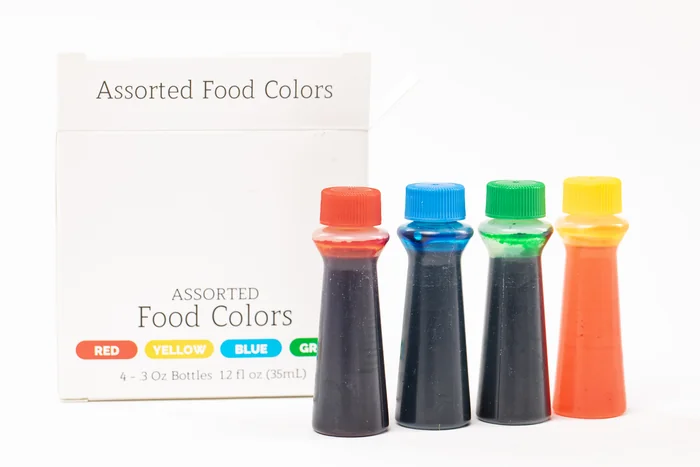
Artificial dyes, such as those that give Kellogg’s Froot Loops their vibrant color, are under attack in the US.
These dyes have been labeled as carcinogens, and tied to hyperactivity in children. However, the dyes used in Kellogg’s cereals meet all of the US Food and Drug Administration (FDA) standards.
In October 2024, hundreds of protesters converged on Kellogg’s headquarters in Battle Creek, Michigan. Their message to the company: remove artificial dyes from cereal.
Kellogg promised to remove artificial dyes from their cereals almost 10 years ago. They have removed them from cereals in Canada and Europe, but not in the United States.
Companies will likely face increasing pressure over this issue. California has passed multiple laws banning artificial dyes from food. The most recent law bans six dyes from food used in California Public Schools. In addition, Robert F Kennedy, JR, a probable Trump appointee, has promised to remove dyes from children’s food. Kennedy has the support of several activists and a bipartisan group of legislators.
Video Spotlight:
- Food dye banned in California schools (Sept 29, 2024, Action News Now)
- Calls to ban synthetic dyes in food (Nov 11, 2024, WBRC 6 News)
- Protesters gather in Battle Creek to demand WK Kellogg to cease use of dyes, preservatives (Oct 15, 2024, WWMT-TV)
This post is based on the Bloomberg article, RFK Jr. and Gavin Newsom Agree: Ban Artificial Food Dyes, by Deena Shanker, November 4, 2024; the ABC News article, Kellogg's faces protests over food dyes in popular breakfast cereals, by Kelly McCarthy, October 16, 2024; and the YouTube videos in the Spotlight. Image source: McGraw Hill
Discussion Questions:
1. Why hasn’t Kellogg’s removed the artificial dyes from all its products?
Guidance: Although artificial food dyes have been identified as potential carcinogens, and linked to hyperactivity in children, they are allowed by the FDA. Additionally, many customers like artificial dyes' bright, vibrant colors.
Natural dyes have a limited color range and are not as vibrant. Several years back, General Mills removed the dyes from Trix cereal only to add them back due to customer complaints.
Artificial dyes are cheaper than natural dyes. Many natural dyes have seasonal availability.
Finally, natural dyes tend to have color stability issues that result in colors fading over time.
2. How does switching from artificial dyes impact operations?
Guidance: The switch from artificial dyes could impact operations in several ways. First, companies will need to find suppliers with natural dyes, potentially requiring a change in suppliers. Second, production processes may need to be changed to accommodate the new dyes. Many natural dyes have limited shelf lives and require special storage. Additionally, many natural dyes are derived from seasonal plants, making availability a problem.