Lego: Transitioning to More Sustainable Supply Chain Operations
LEGO is expanding sustainable sourcing and testing renewable and recycled materials while protecting product quality and supplier performance.
Tags
Operations Management by Cachon & Terwiesch
Operations and Supply Chain Management by Jacobs & Chase
Operations and Supply Chain Management The Core by Jacobs & Chase
Managing Quality
Process Analysis
Process Design and Analysis
Process Selection
Process Selection and Facility Layout
Quality and SPC
Quality Control
Quality Control and Improvement
Quality Mgmt and 6S
Operations Management in the Supply Chain by Schroeder & Goldstein
Statistical Quality Control
Operations Management by Stevenson
Strategy and Sustainability
Sustainable OM
Managing Operations Across the Supply Chain by Swink, Melnyk, Hartley & Cooper
Blog
Article
OM in the News
Higher Education
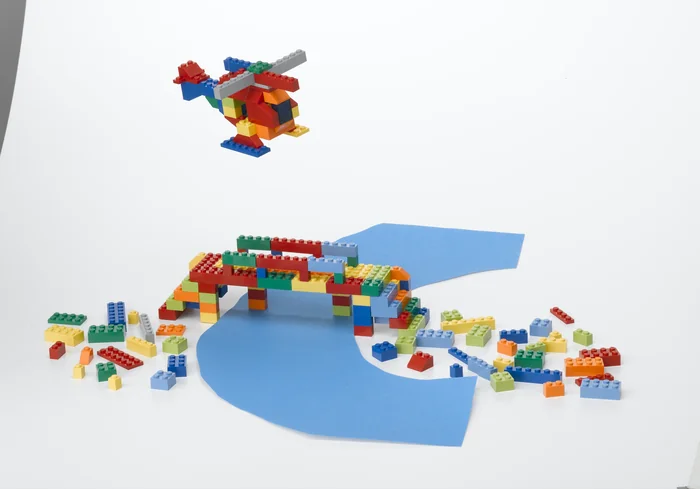
For more than 60 years, people of all ages have fostered their creativity with LEGO sets.
While the Denmark-based toy manufacturer continues to roll out new sets appealing to a wide range of customers, the company is simultaneously working on new initiatives to improve environmental sustainability, internally and with upstream suppliers.
LEGO is focusing on increasing the use of sustainable raw materials as part of the manufacturing process. They evaluated more than 600 new material grades (compositions) in 2023 alone. A previous OM in the News post discussed one failed project from 2023, to make oil-free bricks.
One of the key focus areas is improving certified mass balance, which refers to the degree to which raw materials are made from sustainable resources, therefore reducing the reliance on virgin fossil fuels sources. Suppliers mix virgin fossil sources with renewable and recycled sources to produce materials used to make LEGO products.
LEGO has other sustainability initiatives as well, including achieving a wide range of climate goals across manufacturing, packaging, and transportation areas, and requirements for suppliers to comply in reducing greenhouse gas emissions.
1. What are some challenges or concerns for Lego, in transitioning to more sustainable raw material sources?
Guidance: Three possible challenges or concerns are provided here. 1) Could the higher recycled and renewable raw material content lead to quality issues in terms of the durability of the blocks themselves? This is a concern, because LEGO competes on superior quality. 2) Do upstream suppliers have the financial resources to implement sustainability initiatives (new equipment, modified manufacturing processes, new testing/quality assurance measures, additional training for employees, etc.)? And 3) Are any changes needed for packaging, warehousing, or transportation, driven by the compositional/chemical changes of the manufactured blocks?
2. What are some key take-aways from the integration between LEGO and its supplier base?
Guidance: Changes to raw material compositions are challenging to manage and require extensive ongoing communications and supply chain project management skills. The ability to manage and measure material compositions is highly important for preserving LEGO’s reputation as a high-quality/premium toy manufacturer.
The reliance on more sustainable resources could lead to a long-term total cost reduction for LEGO as well as its supplier base. Through higher reliance on recycled/renewable materials, it could lead to lower sourcing/extraction costs for fossil fuels.
Author: James Kirby Easterling, DBA
Eastern Kentucky University
Program Director, Global Supply Chain Management
Associate Professor and Executive-in-Residence
Share:
Regional Page Available
It looks like you're outside the United States. Do you want to see your regional version of this page?
Education Topics
Education Topics/Courses
Education Topics/Courses/OM in the News
Education Topics/Courses/OM in the News/Title
Education Topics/Courses/OM in the News/Title/Operations and Supply Chain Management by Jacobs & Chase
Education Topics/Courses/OM in the News/Topic
Education Topics/Courses/OM in the News/Topic/Process Design and Analysis
Education Topics/Courses/OM in the News/Title/Operations and Supply Chain Management The Core by Jacobs & Chase
Education Topics/Courses/OM in the News/Title/Operations Management by Stevenson
Education Topics/Courses/OM in the News/Topic/Managing Quality
Business Unit
Business Unit/Higher Education
Education Topics/Courses/OM in the News/Topic/Process Analysis
Education Topics/Courses/OM in the News/Topic/Quality and SPC
Education Topics/Courses/OM in the News/Topic/Quality Control and Improvement
Asset Format Type
Asset Format Type/Blog
Education Topics/Courses/OM in the News/Topic/Process Selection
Education Topics/Courses/OM in the News/Topic/Process Selection and Facility Layout
Education Topics/Courses/OM in the News/Topic/Sustainable OM
Education Topics/Courses/OM in the News/Topic/Strategy and Sustainability
Education Topics/Courses/OM in the News/Topic/Quality Control
Education Topics/Courses/OM in the News/Title/Operations Management by Cachon & Terwiesch
Asset Format Type/Blog/Article
Education Topics/Courses/OM in the News/Topic/Quality Mgmt and 6S
Education Topics/Courses/OM in the News/Topic/Statistical Quality Control
Education Topics/Courses/OM in the News/Title/Managing Operations Across the Supply Chain by Swink, Melnyk, Hartley & Cooper
Education Topics/Courses/OM in the News/Title/Operations Management in the Supply Chain by Schroeder & Goldstein
highered
2026-11-06T16:42:23.875Z
highered Lego: Transitioning to More Sustainable Supply Chain Operations LEGO is expanding sustainable sourcing and testing renewable and recycled materials while protecting product quality and supplier performance. For more than 60 years, people of all ages have fostered their creativity with LEGO sets. While the Denmark-based toy manufacturer continues to roll out new sets appealing to a wide range of customers, the company is simultaneously working on new initiatives to improve environmental sustainability, internally and with upstream suppliers. LEGO is focusing on increasing the use of sustainable raw materials as part of the manufacturing process. They evaluated more than 600 new material grades (compositions) in 2023 alone. A previous OM in the News post discussed one failed project from 2023, to make oil-free bricks. One of the key focus areas is improving certified mass balance, which refers to the degree to which raw materials are made from sustainable resources, therefore reducing the reliance on virgin fossil fuels sources. Suppliers mix virgin fossil sources with renewable and recycled sources to produce materials used to make LEGO products. LEGO has other sustainability initiatives as well, including achieving a wide range of climate goals across manufacturing, packaging, and transportation areas, and requirements for suppliers to comply in reducing greenhouse gas emissions. Video Spotlight: Lego Bricks in the Making (Sept 2, 2017, The LEGO Group) This post is based on the Supply Chain Dive article, Lego to ramp up sustainable block sourcing efforts, by Kelly Stroh, September 5, 2024; the Supply Chain Dive article, Lego to mandate sustainability targets across supply chain, by Zoya Mirza, July 11, 2024; and the YouTube video in the Spotlight. Image source: Ken Karp/McGraw-Hill Education Discussion Questions: 1. What are some challenges or concerns for Lego, in transitioning to more sustainable raw material sources? Guidance: Three possible challenges or concerns are provided here. 1) Could the higher recycled and renewable raw material content lead to quality issues in terms of the durability of the blocks themselves? This is a concern, because LEGO competes on superior quality. 2) Do upstream suppliers have the financial resources to implement sustainability initiatives (new equipment, modified manufacturing processes, new testing/quality assurance measures, additional training for employees, etc.)? And 3) Are any changes needed for packaging, warehousing, or transportation, driven by the compositional/chemical changes of the manufactured blocks? 2. What are some key take-aways from the integration between LEGO and its supplier base? Guidance: Changes to raw material compositions are challenging to manage and require extensive ongoing communications and supply chain project management skills. The ability to manage and measure material compositions is highly important for preserving LEGO’s reputation as a high-quality/premium toy manufacturer. The reliance on more sustainable resources could lead to a long-term total cost reduction for LEGO as well as its supplier base. Through higher reliance on recycled/renewable materials, it could lead to lower sourcing/extraction costs for fossil fuels. James Kirby Easterling, DBA Eastern Kentucky University Program Director, Global Supply Chain Management Associate Professor and Executive-in-Residence
LEGO is expanding sustainable sourcing and testing renewable and recycled materials while protecting product quality and supplier performance.
Operations and Supply Chain Management by Jacobs & Chase, Process Design and Analysis, Operations and Supply Chain Management The Core by Jacobs & Chase, Operations Management by Stevenson, Managing Quality, Higher Education, Process Analysis, Quality and SPC, Quality Control and Improvement, Blog, Process Selection, OM in the News, Process Selection and Facility Layout, Sustainable OM, Strategy and Sustainability, Quality Control, Operations Management by Cachon & Terwiesch, Article, Quality Mgmt and 6S, Statistical Quality Control, Managing Operations Across the Supply Chain by Swink, Melnyk, Hartley & Cooper, Operations Management in the Supply Chain by Schroeder & Goldstein