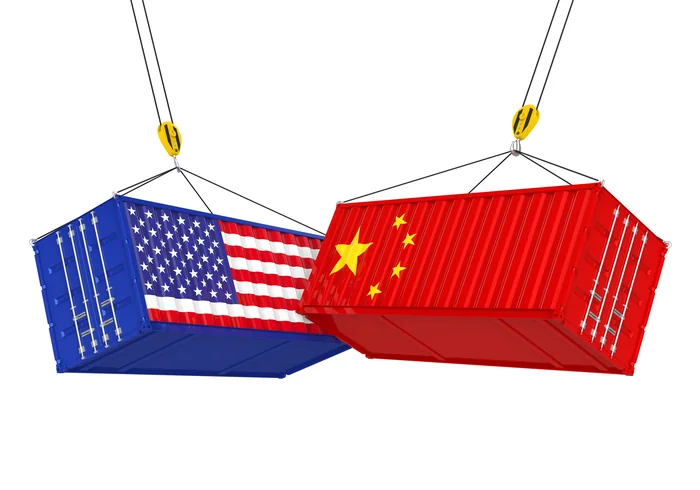
End of Customs Exemption May Disrupt Business for Shein and Temu
Ending the $800 de minimis customs exemption could raise costs and disrupt the direct-to-consumer business models of Shein and Temu.
Tags
Operations Management by Cachon & Terwiesch
Competitiveness Strategy Productivity
Design of Products and Services
Operations and Supply Chain Management by Jacobs & Chase
Operations and Supply Chain Management The Core by Jacobs & Chase
OPS and Supply Chain Strategy
OPS and Supply Chain Management
Operations Management in the Supply Chain by Schroeder & Goldstein
Sourcing and Supply Management
Operations Management by Stevenson
Strategy
Strategy and Sustainability
Supply Chain Management
Managing Operations Across the Supply Chain by Swink, Melnyk, Hartley & Cooper
Blog
Article
OM in the News
Higher Education
A customs exemption that allows packages worth less than $800 to enter the US tax-free has fueled the explosive growth of Chinese e-commerce companies such as Shein and Temu.
The result has been millions of products, from clothing to electronics and more, sold at rock-bottom prices directly to American consumers.
A proposed regulatory change to close the customs exemption will disrupt these e-commerce companies’ on-demand business model and their low-cost strategy.
1. What is e-commerce, and what has been its impact on globalization?
Guidance: E-commerce involves the use of the Internet and electronic technology to transact business. The business transaction can be business-to-business, business-to-customers, or customers-to-customers.
Companies such as Shein and Temu provide e-commerce platforms connecting Chinese sellers to American consumers, facilitating the movement of millions of clothing, electronics and other products from China to the US, promoting globalization.
2. How do Shein and Temu differ from Amazon, with respect to e-commerce operations management?
Guidance: Shein focuses on a direct-to-customer marketplace for Chinese-made apparel, electronics and beauty items, using an operations strategy based on low price and speed-to-market. Amazon, on the other hand, focuses on a broad product offering, diverse customer base, extensive logistics network, multiple sales channels, and reliable infrastructure. It relies on an operations strategy based on superior customer service and product variety.
3. What are the impacts of ending the de minimis customs exemption on Chinese e-commerce companies?
Guidance: Ending the customs exemption will be disruptive to the low cost strategy (goods exported will be taxed) and responsiveness (longer processing time at customs) strategy of Chinese e-commerce companies, making them less attractive to American consumers.
Author: Anita Lee-Post, Ph.D.
Gatton College of Business and Economics
University of Kentucky
Associate Professor
Share:
Regional Page Available
It looks like you're outside the United States. Do you want to see your regional version of this page?
Education Topics
Education Topics/Courses
Education Topics/Courses/OM in the News
Education Topics/Courses/OM in the News/Title
Education Topics/Courses/OM in the News/Title/Operations and Supply Chain Management by Jacobs & Chase
Education Topics/Courses/OM in the News/Title/Operations and Supply Chain Management The Core by Jacobs & Chase
Education Topics/Courses/OM in the News/Title/Operations Management by Stevenson
Business Unit
Business Unit/Higher Education
Asset Format Type
Asset Format Type/Blog
Education Topics/Courses/OM in the News/Topic
Education Topics/Courses/OM in the News/Topic/OPS and Supply Chain Management
Education Topics/Courses/OM in the News/Topic/OPS and Supply Chain Strategy
Education Topics/Courses/OM in the News/Topic/Strategy
Education Topics/Courses/OM in the News/Topic/Competitiveness Strategy Productivity
Education Topics/Courses/OM in the News/Topic/Design of Products and Services
Education Topics/Courses/OM in the News/Topic/Strategy and Sustainability
Education Topics/Courses/OM in the News/Topic/Sourcing and Supply Management
Education Topics/Courses/OM in the News/Title/Operations Management by Cachon & Terwiesch
Asset Format Type/Blog/Article
Education Topics/Courses/OM in the News/Title/Managing Operations Across the Supply Chain by Swink, Melnyk, Hartley & Cooper
Education Topics/Courses/OM in the News/Title/Operations Management in the Supply Chain by Schroeder & Goldstein
Education Topics/Courses/OM in the News/Topic/Supply Chain Management
highered
2026-11-17T19:38:04.194Z
highered End of Customs Exemption May Disrupt Business for Shein and Temu Ending the $800 de minimis customs exemption could raise costs and disrupt the direct-to-consumer business models of Shein and Temu. End of Customs Exemption May Disrupt Business for Shein and Temu Ending the $800 de minimis customs exemption could raise costs and disrupt the direct-to-consumer business models of Shein and Temu. Tags Operations Management by Cachon & Terwiesch Competitiveness Strategy Productivity Design of Products and Services Operations and Supply Chain Management by Jacobs & Chase Operations and Supply Chain Management The Core by Jacobs & Chase OPS and Supply Chain Strategy OPS and Supply Chain Management Operations Management in the Supply Chain by Schroeder & Goldstein Sourcing and Supply Management Operations Management by Stevenson Strategy Strategy and Sustainability Supply Chain Management Managing Operations Across the Supply Chain by Swink, Melnyk, Hartley & Cooper Blog Article OM in the News Higher Education More Article Type: Blog October 13, 2024 Share: A customs exemption that allows packages worth less than $800 to enter the US tax-free has fueled the explosive growth of Chinese e-commerce companies such as Shein and Temu. The result has been millions of products, from clothing to electronics and more, sold at rock-bottom prices directly to American consumers. A proposed regulatory change to close the customs exemption will disrupt these e-commerce companies’ on-demand business model and their low-cost strategy. Video Spotlight: Biden administration finalizes tariff hikes on Chinese goods, proposes new changes (Sept 13, 2024, Hearst Television) This post is based on the NBC News article, The U.S. is cracking down on cheap Chinese goods loved by American shoppers, by Eunice Yoon, CNBC, and Jennifer Jett, September 24, 2024, and the YouTube video in the Spotlight. Image source: Shutterstock / Nerthuz Discussion Questions: 1. What is e-commerce, and what has been its impact on globalization? Guidance: E-commerce involves the use of the Internet and electronic technology to transact business. The business transaction can be business-to-business, business-to-customers, or customers-to-customers. Companies such as Shein and Temu provide e-commerce platforms connecting Chinese sellers to American consumers, facilitating the movement of millions of clothing, electronics and other products from China to the US, promoting globalization. 2. How do Shein and Temu differ from Amazon, with respect to e-commerce operations management? Guidance: Shein focuses on a direct-to-customer marketplace for Chinese-made apparel, electronics and beauty items, using an operations strategy based on low price and speed-to-market. Amazon, on the other hand, focuses on a broad product offering, diverse customer base, extensive logistics network, multiple sales channels, and reliable infrastructure. It relies on an operations strategy based on superior customer service and product variety. 3. What are the impacts of ending the de minimis customs exemption on Chinese e-commerce companies? Guidance: Ending the customs exemption will be disruptive to the low cost strategy (goods exported will be taxed) and responsiveness (longer processing time at customs) strategy of Chinese e-commerce companies, making them less attractive to American consumers. About the Author Anita Lee-Post, Ph.D. Gatton College of Business and Economics University of Kentucky Associate Professor Anita Lee-Post, Ph.D. Gatton College of Business and Economics University of Kentucky Associate Professor
Ending the $800 de minimis customs exemption could raise costs and disrupt the direct-to-consumer business models of Shein and Temu.
Operations and Supply Chain Management by Jacobs & Chase, Operations and Supply Chain Management The Core by Jacobs & Chase, Operations Management by Stevenson, Higher Education, Blog, OPS and Supply Chain Management, OPS and Supply Chain Strategy, OM in the News, Strategy, Competitiveness Strategy Productivity, Design of Products and Services, Strategy and Sustainability, Sourcing and Supply Management, Operations Management by Cachon & Terwiesch, Article, Managing Operations Across the Supply Chain by Swink, Melnyk, Hartley & Cooper, Operations Management in the Supply Chain by Schroeder & Goldstein, Supply Chain Management